Unleashing the power of a gas string trimmer to tame an unruly yard is a satisfying experience. Yet, when that reliable roar turns into a sputter, or worse, silence, it can halt your landscaping ambitions in their tracks. Many users overlook the simple, yet crucial, maintenance steps that keep these robust tools running at peak performance. This guide will walk you through the essential maintenance tips for your gas string trimmer, ensuring it’s always ready to tackle the toughest weeds and keep your lawn looking pristine. By understanding and implementing these routines, you’ll not only extend the life of your equipment but also prevent common frustrations and costly repairs.
Understanding Your Gas String Trimmer: A Brief Overview
Gas-powered string trimmers are a staple for serious yard work, offering unparalleled power and mobility to conquer dense weeds and overgrown areas where a lawnmower cannot reach. Unlike their electric or battery-powered counterparts, gas trimmers run on a small internal combustion engine, typically a two-stroke (2-cycle) or sometimes a four-stroke (4-cycle) engine. This engine type grants them superior torque and run-time, making them ideal for larger properties or demanding tasks. However, this power comes with the need for diligent care. Key components like the engine, fuel system (carburetor, fuel lines, filter), ignition system (spark plug), air filter, and cutting head all require regular attention to ensure smooth, efficient operation. Neglecting these areas can quickly lead to diminished performance, difficult starts, or complete breakdown.
Why Regular Maintenance Is Crucial for Gas String Trimmers
Regular maintenance isn’t just about fixing problems; it’s about prevention and optimization. For your gas string trimmer, a consistent maintenance schedule yields multiple benefits. Firstly, it significantly extends the lifespan of your tool. Just like a car, regular tune-ups and inspections can catch minor issues before they escalate into major, expensive repairs. Secondly, it ensures optimal performance, meaning your trimmer will start easily, run smoothly, and deliver consistent power for effective cutting. A well-maintained engine is also more fuel-efficient, saving you money in the long run. Lastly, and perhaps most importantly, proper maintenance is a critical safety measure. Worn parts, clogged filters, or an improperly running engine can all contribute to dangerous operating conditions. Investing a little time in maintenance now can save you significant time, money, and potential hazards down the line.
“A well-maintained gas string trimmer is a joy to use, providing reliable performance season after season. Neglect it, and you’re inviting frustration and unexpected expenses.” – Admin, ReviewnPicks.com, String Trimmer Expert
Essential Pre-Season and Routine Maintenance Tasks
To keep your gas string trimmer in top condition, a combination of pre-season checks and routine upkeep throughout the year is essential. These tasks focus on the core systems that enable your trimmer to run powerfully and efficiently.
Fuel System Care
The fuel system is the heart of your gas string trimmer, and its proper functioning is paramount. Many issues stem from improper fuel or a neglected fuel system.
- Using Fresh, Proper Fuel Mix: For two-stroke engines, always use a fresh mix of gasoline and high-quality 2-cycle engine oil. The typical ratio is 1:50 (one part oil to 50 parts gasoline), but always consult your owner’s manual for the precise ratio required for your specific model. Using stale fuel (more than 30 days old) or an incorrect oil-to-gas ratio can lead to piston seizure and other severe engine damage. Avoid gasoline with high ethanol content, as ethanol can absorb moisture and degrade fuel system components over time.
- Fuel Stabilizer: If you anticipate storing fuel for longer than 30 days, or if your trimmer will be idle for an extended period, add a fuel stabilizer to your gas mix. This helps prevent fuel from breaking down and forming gummy deposits that can clog the carburetor. Premixed fuels with extended shelf lives are also an excellent, convenient option.
- Cleaning/Replacing Fuel Filter: The fuel filter prevents debris from reaching the carburetor. It’s typically located inside the fuel tank, at the end of the fuel line. Inspect and replace the fuel filter periodically, especially if you notice the engine sputtering or losing power, which can be a sign of a clogged filter.
- Draining Fuel for Storage: For long-term storage (e.g., over winter), it’s crucial to empty the fuel tank completely and run the engine until it stalls. This prevents old fuel from varnishing and clogging the carburetor and fuel lines, a common cause of starting problems in the spring.
Air Filter Maintenance
The air filter protects your engine from dust and debris, ensuring a clean air supply for combustion. A clean air filter is vital for maximum performance and to reduce excessive engine wear.
- Checking and Cleaning/Replacing the Air Filter: Inspect your air filter frequently, especially if you’re working in dusty conditions. Foam filters can often be washed gently with mild soap and water, then thoroughly rinsed and dried. Paper or rigid filters should be tapped to dislodge debris or cleaned with compressed air (blowing from the inside out to avoid embedding dirt). If a filter is excessively dirty, torn, or appears beyond cleaning, replace it immediately. Many manufacturers recommend cleaning or replacing the filter after every 10 to 25 hours of operation.
 A person carefully cleaning the air filter of a gas string trimmer with a soft brush.
Spark Plug Inspection and Replacement
The spark plug provides the ignition spark that ignites the fuel-air mixture in the engine cylinder. A faulty or fouled spark plug can prevent your trimmer from starting or cause it to run poorly.
- How to Check Spark Plug: Remove the spark plug (ensure the engine is off and cool) using a spark plug wrench. Inspect the electrode for signs of wear, such as being dark, burnt, or covered in powdery white residue.
- Signs of Wear: A fouled plug with heavy deposits will not spark efficiently. If the electrode is significantly worn or damaged, it’s time for a replacement.
- Proper Gap: If reusing a clean plug, ensure it’s gapped correctly according to your owner’s manual specifications. Spark plugs are relatively inexpensive, so replacing them, especially annually, is often the best practice.
Cutting Head and Line Management
The cutting head and line are the parts that directly engage with vegetation and experience the most wear and tear.
- Cleaning the Cutting Head: After each use, clear grass clippings, dirt, and debris from the cutting head and shroud. Buildup can impede line feed, cause imbalances, and put undue strain on the engine.
- Checking for Cracks/Damage: Inspect the cutting head for any cracks, chips, or other damage. A damaged head can be dangerous and should be replaced.
- Replacing Trimmer Line: Always keep a supply of fresh trimmer line. Replace worn or broken line promptly to maintain cutting efficiency. Old line can become brittle and break easily.
- Lubricating the Gearbox (if applicable): Some gas trimmers, especially those with straight shafts, have a gearbox at the cutting head that requires periodic lubrication. Consult your manual for the recommended type of grease and frequency.
General Cleaning and Inspection
Beyond the core components, a general once-over can prevent many headaches.
- Cleaning Debris from Engine Fins: Ensure the engine cooling fins are free of grass clippings and dirt. Blocked fins can lead to engine overheating.
- Checking Fasteners, Guards: Periodically check all nuts, bolts, and screws to ensure they are tight. Confirm that all safety guards are securely in place and undamaged.
- Inspecting the Starter Rope: Examine the starter rope for fraying or damage. A worn rope can break, leaving you unable to start your trimmer.
Troubleshooting Common Gas String Trimmer Problems
Even with regular maintenance, problems can occasionally arise. Knowing how to troubleshoot common issues can save you a trip to the repair shop.
- Engine Won’t Start:
- No Fuel/Old Fuel: Check fuel level and ensure you’re using fresh, properly mixed fuel. Old fuel is a primary culprit.
- Bad Spark Plug: Check if the spark plug is fouled, wet, or damaged. Clean or replace it.
- Clogged Air Filter: A restricted air filter can starve the engine of air.
- Clogged Carburetor: Varnish and gum deposits from old fuel can clog tiny passages. Try spraying carburetor cleaner into the intake or disassembling for a thorough cleaning.
- Clogged Fuel Filter/Lines: Inspect and replace if necessary.
- Primer Bulb Issues: A cracked primer bulb won’t draw fuel effectively.
- Flooded Engine: If you’ve tried starting repeatedly, the engine might be flooded. Wait 10-15 minutes for excess fuel to evaporate before trying again.
- Lack of Power/Engine Sputters:
- Clogged Air Filter: Restricts airflow, reducing power.
- Clogged Fuel Filter/Carburetor: Limits fuel delivery.
- Incorrect Fuel Mix: Too much or too little oil can affect performance.
- Clogged Exhaust Screen (Spark Arrester): Carbon buildup can restrict exhaust flow, leading to power loss. Remove and clean it.
- Excessive Vibration:
- Damaged Cutting Head/Spool: An unbalanced or damaged cutting head can cause vibration.
- Loose Fasteners: Check that all bolts and screws are tight.
- Line Feed Issues:
- Incorrectly Wound Line: Ensure the line is wound tightly and correctly on the spool.
- Overheating Head: Excessive friction from heavy use can sometimes cause the line to fuse within the head. Clean out debris regularly.
When to Seek Professional Service
While many maintenance and troubleshooting tasks can be handled by a DIY enthusiast, there are times when it’s best to call in a professional. Complex engine issues, such as persistent carburetor problems after cleaning, major engine knocking, or if the trimmer simply won’t run despite your best efforts, usually warrant expert attention. Additionally, if you’re uncomfortable disassembling parts, dealing with fuel systems, or adjusting sensitive components, a professional small engine technician has the specialized tools and experience to diagnose and repair issues safely and effectively. Don’t hesitate to seek help when dealing with safety-critical components or if you’re unsure about a repair.
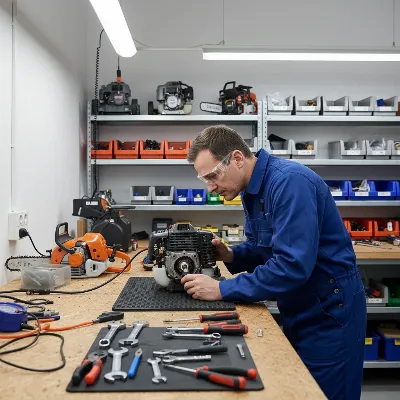 A technician expertly diagnosing a gas string trimmer on a workbench.
Conclusion
Maintaining your gas string trimmer is a simple yet essential practice that ensures its longevity and peak performance. From providing the correct fuel mix and regularly inspecting the spark plug to keeping the air filter clean and the cutting head free of debris, each step contributes to a reliable and efficient tool. By following these essential maintenance tips, you not only save money on repairs but also ensure your trimmer is always ready to tackle your yard work with power and precision. Make routine maintenance a consistent part of your landscaping toolkit, and your gas string trimmer will be a dependable partner for years to come. What one maintenance tip has made the biggest difference in the reliability of your gas string trimmer?
Frequently Asked Questions
How often should I change the spark plug on my gas string trimmer?
It is generally recommended to inspect your spark plug annually, ideally at the start of the season. If it shows signs of wear, such as being dark, burnt, or having a powdery residue on the electrode, it should be replaced. Spark plugs are inexpensive and replacing them regularly can prevent starting issues.
What kind of fuel should I use for my gas string trimmer?
For 2-stroke gas string trimmers, you must use a fresh mixture of unleaded gasoline (minimum 90 RON octane, preferably without ethanol) and high-quality 2-cycle engine oil, at the ratio specified in your owner’s manual (commonly 1:50 or 1:40). 4-stroke trimmers use straight gasoline and have a separate oil reservoir.
Can I use old fuel in my gas string trimmer?
No, it is highly recommended to avoid using old fuel (typically fuel older than 30 days) in your gas string trimmer. Stale fuel can degrade, form varnish deposits, and clog the carburetor, leading to starting difficulties, poor performance, or even engine damage. Always use fresh fuel or fuel treated with a stabilizer.
How do I know if my air filter needs cleaning or replacement?
You should inspect your air filter frequently, especially after working in dusty conditions. If the filter appears visibly dirty, clogged with debris, or discolored, it needs cleaning or replacement. A clogged air filter can lead to reduced engine power, difficulty starting, and increased engine wear.
What are the signs of a failing fuel filter?
Signs of a failing or clogged fuel filter in your gas string trimmer include the engine sputtering, losing power during operation, running inconsistently, or having difficulty starting. A restricted fuel flow due to a dirty filter prevents the carburetor from receiving adequate fuel.
Get our weekly buyer guide
Practical specs, not advice. Unsubscribe anytime.
