You can put thicker line in a string trimmer, but only if your trimmer’s power output and head design are compatible with the increased diameter. Using a line that is too thick for your specific model can lead to reduced cutting efficiency, increased motor strain, and potential damage to the equipment. Always consult your string trimmer’s owner’s manual for the manufacturer’s recommended line diameter range to ensure safe and optimal performance.
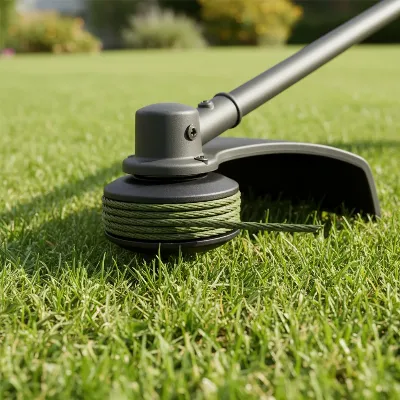 Close-up of a string trimmer head with visibly thicker line installed, ready for use, in a well-maintained garden with lush green grass
String Trimmer: Overview and Optimal Line Choice
String trimmers, often called weed eaters or weed whackers, are essential for maintaining tidy landscapes, reaching areas mowers cannot. They effectively cut grass and light weeds around obstacles, fences, and garden beds. However, the type of string trimmer you own significantly influences its capacity to handle different line thicknesses.
Understanding the various types of string trimmers on the market and their inherent power levels is the first step in deciding whether to upgrade your line. Electric trimmers, whether corded or battery-powered, typically offer less raw power than their gas-powered counterparts. Battery-powered models, while offering excellent portability, have power outputs that vary greatly by voltage; a 60V model, for instance, will generally handle a thicker line more effectively than a 20V unit. Gas trimmers, with their internal combustion engines, usually provide the most power and are often best suited for heavier-duty tasks and thicker lines, especially models with higher cubic centimeter (CC) ratings.
The choice of line thickness directly impacts both performance and durability. Thinner lines, typically ranging from 0.065 to 0.080 inches (1.7mm to 2.0mm), are excellent for light grass, delicate trimming, and less powerful trimmers. They spin faster, resulting in cleaner cuts on softer vegetation, but are prone to frequent breakage when encountering tougher weeds or hard surfaces. Conversely, thicker lines, from 0.095 inches (2.4mm) upwards, offer superior durability and are ideal for dense weeds and brush. These lines are less likely to snap, reducing the frequency of frustrating interruptions, but they demand more power from your trimmer, which can affect its speed and strain the motor. Finding the optimal balance between these factors is key to extending both your line’s life and your trimmer’s efficiency.
Detailed Guide to Upgrading Your String Trimmer Line
Upgrading your string trimmer line to a thicker gauge can significantly enhance its performance and durability, especially when tackling challenging vegetation. However, this isn’t a one-size-fits-all solution; careful consideration of several factors is essential to ensure both safety and optimal operation. A mismatched line can lead to suboptimal cutting, increased wear on your machine, or even damage.
Trimmer Power and Compatibility
|
Our Picks for the Best String Trimmer in 2026
As an Amazon Associate I earn from qualifying purchases.
|
||
| Num | Product | Action |
|---|---|---|
| 1 | Cordless String Trimmer Compatible with Dewalt 20V MAX Battery, 12-Inch Weed Wacker Cordless Auto Line Feed,Electric Weed Eater Battery Powered Grass Trimmer w/6 Line Spools(Tool Only) |

|
| 2 | WORX Cordless String Trimmer & Lawn Edger, 12'' Electric Weed Wacker with 5.5 LBS, 20V Weed Eater with 90° Pivoting Head, Battery & Charger Included, WG170.2 |
|
| 3 | BLACK+DECKER Weed Wacker with Auto Feed, 14-Inch 2 in 1 String Trimmer Lawn Edger, Powerful 6.5-Amp Lightweight Electric Weed Eater (BESTA510) |
|
| 4 | BLACK+DECKER 20V MAX Weed Eater, Edger and Sweeper Combo, Includes 2 Batteries and Charger, Cordless Electric Weed Wacker and 130 Mph Hard Surface Leaf Blower, 10 in. (LCC222) |
|
| 5 | 20V 12" Cordless String Trimmer With 2 X 4.0Ah Battery and Charger, Electric Grass Trimmer Battery Powered Eater String, Edger Lawn Tool Grass Cutter With 8pcs Line, Lawn Mover For Garden Yard, Orange |
|
| 6 | Houselife 12" Cordless Weed Eater Compatible with Dewalt 20V Max Battery (No Battery), Auto Feed Cordless String Trimmer&Weed Wacker, Lightweight Electric 20V Weed Trimmer&Edger for Lawn, Garden, Yard |
|
| 7 | Cordless String Trimmer Compatible with Milwaukee M18 18V Battery(Tool Only), 12-Inch 3-in-1 Weed Eater with 8500RPM Upgraded Motor, Automatic Line Feed Weed Wacker for Lawn Edging and Mowing-Red |
|
| 8 | CRAFTSMAN WEEDWACKER® String Trimmer, 6.5 Amp, 14-Inch (CMEST913) |
|
| 9 | WORX Cordless String Trimmer & Lawn Edger, 12'' Electric Weed Wacker with 4.6 LBS, 20V Weed Eater with 90° Pivoting Head, Batteries & Charger Not Included, WG170.9 |
|
| 10 | BLACK+DECKER String Trimmer, Electric, 14-inch (BESTE620) |
|
The most critical factor in determining if your trimmer can handle a thicker line is its power output and the manufacturer’s recommendations. Always consult your string trimmer’s owner’s manual; it provides the specific range of line diameters your tool is designed for. Overlooking this step is a common mistake that can lead to costly repairs.
Generally, more powerful trimmers—those with higher battery voltages (e.g., 40V, 60V) or larger gas engine displacements (higher CCs)—are better equipped to spin heavier, thicker lines effectively. For instance, while many residential trimmers can comfortably manage lines up to 0.095 inches, pushing beyond this without adequate power can significantly reduce the cutting head’s speed, leading to inefficiency and potential motor strain. Conversely, professional-grade trimmers with substantial power can often accommodate lines 3mm (0.118 inches) and above, designed for the most demanding tasks.
Type of Vegetation
The kind of vegetation you primarily trim should also guide your line thickness decision. If your yard mainly consists of light grass and occasional soft weeds, a thinner line will be more than sufficient and will allow your trimmer to operate at higher RPMs for a cleaner finish. However, if you frequently encounter thick, woody weeds, dense brush, or overgrown areas, a thicker, more aggressive line is a practical upgrade. These heavier lines possess the mass and rigidity to slice through tough growth that would quickly snap a thinner line.
The shape of the line also plays a role in its cutting efficacy. Round lines are general-purpose and durable, suitable for most everyday trimming. For more aggressive cutting, consider multi-sided lines (square, star, pentagon), twisted, or serrated lines, which offer more cutting edges and can slice through dense vegetation more efficiently.
Trimmer Head Design and Line Capacity
Beyond the line’s diameter, the design of your trimmer head dictates what it can physically accommodate. The eyelets or openings in the spool must be large enough for the thicker line to pass through freely. If the line is too thick to fit or binds within the head, it can lead to feeding issues, jams, and frustration.
A thicker line occupies more space, meaning that a spool designed for a thinner line will hold a significantly shorter length of a thicker line. This can result in more frequent re-spooling, diminishing some of the convenience benefits of a more durable line. Some trimmers also feature fixed-line heads, which use pre-cut segments of line. These can sometimes be an easier way to switch to a thicker line, as you are not limited by spool capacity, but you should still ensure the head is rated for the chosen diameter.
Line Shape and Material
The effectiveness of your string trimmer line isn’t solely about thickness; its shape and material also contribute significantly to performance and durability. Different shapes are designed for specific cutting tasks, while materials vary in their resilience and longevity.
- Round Line: This is the most common and versatile type, generally durable and easy to feed through trimmer heads. It’s best suited for general trimming, edging, and working around hard surfaces, as it tends to be forgiving upon impact. However, it offers less cutting power compared to lines with sharp edges.
- Multi-Sided Lines (Square, Star, Pentagon, Serrated): These lines feature distinct cutting edges that provide a more aggressive and cleaner cut, making them excellent for tackling thicker grass and dense weeds. Square lines are particularly known for their robust cutting ability. While highly efficient, these sharper-edged lines can wear down faster if frequently used against concrete or stone. They can also make the trimmer feel like it’s “grabbing” vegetation more, requiring a firmer grip.
- Twisted Line: Twisted designs aim to minimize drag and reduce noise during operation, offering improved cutting efficiency and quieter performance. They are effective for cutting through thicker grass and weeds while being gentler on the ears.
- Materials: Most trimmer lines are made from durable nylon or polymer materials. For enhanced strength and longevity, commercial-grade nylon and copolymer lines are available, offering better resistance to wear and tear, and often less breakage, especially for challenging landscaping tasks.
Potential Risks of Using Too Thick Line
While a thicker line offers benefits, using one that is too heavy or incompatible with your string trimmer carries several risks:
- Reduced RPM and Cutting Efficiency: A heavier line requires more power to reach optimal rotational speed. If your trimmer’s motor isn’t powerful enough, the line will spin slower, resulting in less efficient cutting, often shredding instead of cleanly slicing vegetation.
- Increased Motor Strain and Damage: The added weight and drag from a thicker line put significant strain on the trimmer’s motor or engine. This can lead to overheating, premature wear on internal components like the clutch, and ultimately reduce the lifespan of your tool. Excessive fuel or battery consumption is also a sign of an overstressed motor.
- Excessive Vibration: An imbalanced or overly heavy line can cause the trimmer to vibrate excessively. This not only makes the tool uncomfortable to use for extended periods but can also lead to mechanical issues, such as a bent shaft or accelerated wear on bearings.
- Difficulty Feeding Line: If the line is too thick for the trimmer head’s eyelets, it can jam, making it difficult to feed or extend the line during operation. This frequent interruption can be incredibly frustrating.
- Shorter Line on Spool: As discussed, thicker line takes up more space, meaning less overall length can be wound onto the spool. This translates to more frequent stops for re-spooling.
> “Always the goal isn’t just a thicker line, but the right line. Matching your trimmer’s capabilities with your cutting needs is what truly drives efficiency and preserves your tool.” – Expert Landscaper, Johnathan Green
Choosing the Right Trimmer for Thicker Line: Key Features to Look For
When considering using a thicker line, or if you’re in the market for a new string trimmer, selecting a model with the right features is paramount to ensure compatibility and performance. Investing in a trimmer designed to handle more robust lines will save you frustration and potential damage in the long run.
Powerful Motor and High Torque
For those planning to use thicker trimmer line, a powerful motor is non-negotiable. Look for battery-powered trimmers with higher voltage ratings, typically 40V or 60V and above, as these offer more sustained power and torque to spin heavier lines effectively. For gas-powered models, an engine with a higher cubic centimeter (CC) displacement (e.g., 30cc or more) indicates greater power suitable for demanding tasks and thicker lines. Brushless motors in electric trimmers are also a significant advantage, as they are more efficient, durable, and deliver more power compared to brushed motors, making them better candidates for handling increased line thickness.
Robust Trimmer Head
The trimmer head itself needs to be capable of accommodating thicker line. Some heavy-duty trimmers feature heads with larger eyelets or a more robust design specifically built for higher gauge lines. Fixed-line heads, which use pre-cut sections of line, can be an excellent option as they eliminate spooling issues, but you must still ensure the head is rated for the line diameter you intend to use. If your current trimmer head struggles with line feeding or breakage, consider if an aftermarket heavy-duty head is available and compatible with your trimmer.
Durable Construction
Using a thicker line, particularly for aggressive cutting, can induce more vibration and stress on the trimmer’s components. A trimmer with durable construction, including a sturdy shaft and high-quality bearings, will better withstand these increased forces. While precise specifications might not always be advertised, a heavier, more solidly built tool often indicates a design capable of handling tougher work with heavier lines. This durability prevents premature wear and ensures the trimmer remains stable and comfortable during operation, even with the added demands of a thicker line.
Usage and Maintenance with Thicker String Trimmer Line
Successfully incorporating thicker line into your string trimmer routine requires not only choosing the right line but also adapting your usage and maintenance practices. These adjustments will ensure both the safety of the operator and the longevity of the equipment.
Preparing Before Use
Before each use, a thorough check of your trimmer is essential, especially when using a thicker line. Always wear appropriate personal protective equipment, including safety glasses, long pants, sturdy footwear, and gloves, as thicker lines can kick up more debris. Inspect the trimmer head for any damage or wear, ensuring the eyelets are clear and the line feeds smoothly.
If you are using line that has been stored for a while and feels brittle, submerging it in a bucket of water overnight can help restore its suppleness. This simple trick can make the line more flexible and less prone to breakage during use, regardless of its thickness. Ensure the cutting line is wound evenly on the spool, or if using pre-cut lengths, that they are installed correctly and are of equal length to maintain balance.
Effective Cutting Techniques
When trimming with a thicker line, adjust your technique to maximize efficiency and minimize strain on the trimmer. Allow the trimmer to reach its full operating speed before making contact with vegetation. Rather than forcing the line through dense growth, use a gentle, sweeping motion, letting the line do the work. Avoid “tap-feeding” constantly, as overfeeding wastes line and can stress the trimmer head.
Keep the trimmer head parallel to the ground for most cutting tasks, especially when trimming grass or light weeds. When tackling thicker brush, approach it in small sections, allowing the trimmer to maintain its RPMs. Pay attention to any signs of strain, such as a significant drop in engine speed, unusual noises, or excessive vibration. If these occur, reduce the load by taking smaller passes or reconsider if the task is appropriate for your trimmer and line combination.
Cleaning and Regular Maintenance
Proper cleaning and regular maintenance are crucial for extending the life of your string trimmer, particularly when using thicker lines that might generate more stress and debris. After each use, disconnect the power source (remove battery, unplug cord, or turn off gas engine and let it cool) and thoroughly clean the trimmer head. Remove any accumulated grass, dirt, or debris that could impede line feeding or cause imbalance.
Regularly check the trimmer head for cracks, wear, or damage. Inspect the shaft and other moving parts for signs of unusual wear or looseness, which could indicate excessive vibration from an incompatible line. Periodically lubricate any moving parts as recommended by the manufacturer. Storing your trimmer in a clean, dry place away from direct sunlight will also help preserve both the tool and your line, keeping it ready for your next project.
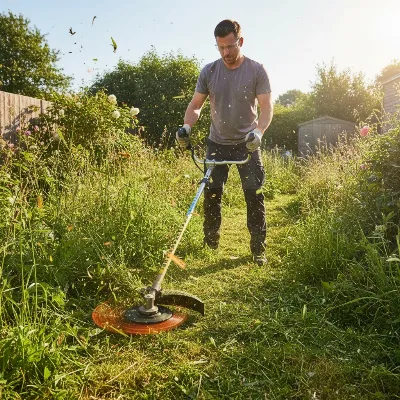 Man safely trimming overgrown grass and weeds with a string trimmer featuring a thicker line, wearing safety glasses and gloves
Where to Buy String Trimmer Line?
Finding the right string trimmer line is easier than ever, with numerous options available both online and in physical stores. The accessibility of various retailers ensures you can find the perfect line thickness, shape, and material to match your specific trimming needs.
For immediate needs or to physically compare different line types, local hardware stores like Home Depot, Lowe’s, or independent garden centers are excellent choices. These stores typically carry a broad range of common line diameters (from 0.065″ to 0.105″) and shapes, allowing you to visually inspect the product and get advice from staff. Specialist garden and outdoor power equipment stores are also valuable resources, often stocking a wider selection of heavy-duty and professional-grade lines, including less common diameters and premium materials.
Online retailers such as Amazon, eBay, and dedicated outdoor power equipment websites offer an extensive selection, often at competitive prices. Shopping online provides the convenience of browsing countless options, reading customer reviews, and having bulk spools delivered directly to your door. When purchasing online, pay close attention to the product descriptions to ensure you select the correct diameter and shape, and always check the return policy. Whichever route you choose, ensure the vendor is reputable to guarantee you receive a high-quality product that meets your expectations.
Conclusion
Upgrading to a thicker line in your string trimmer can indeed be a smart move, offering enhanced durability and cutting power for challenging tasks. However, it’s a decision that demands careful consideration of your trimmer’s capabilities and the specific demands of your yard work. Always prioritize consulting your trimmer’s manual to understand its recommended line diameter range, as pushing beyond these limits can lead to reduced efficiency, increased motor strain, and potential damage. By matching the line thickness to your trimmer’s power and the type of vegetation you’re tackling, you can optimize performance, extend your equipment’s lifespan, and enjoy a more productive trimming experience. With the right approach and adherence to safety guidelines, embracing a thicker line can improve your yard maintenance from a frustrating chore into a satisfying task.
What has been your experience with different string trimmer line thicknesses, and which has proven most effective for your yard?
Frequently Asked Questions
What happens if you put too thick line in a string trimmer?
Using a line that is too thick for your string trimmer can lead to several problems, including reduced cutting speed, increased strain on the motor or engine, higher fuel or battery consumption, excessive vibrations, and even damage to the trimmer’s internal components or head mechanism.
What is the best line thickness for general residential use?
For most residential string trimmers and common yard tasks, a line thickness between 0.080 and 0.095 inches (2.0mm to 2.4mm) offers an excellent balance of durability, cutting power, and compatibility. This range is effective for both grass and light to medium weeds without overly stressing the trimmer.
Can all string trimmers handle thicker line?
No, not all string trimmers can safely handle thicker line. The maximum compatible line diameter is determined by the trimmer’s power output (motor size or battery voltage) and the design of its trimmer head. Always check your trimmer’s owner’s manual for recommended line sizes.
Does thicker line make a string trimmer cut better?
Thicker line generally offers more durability and improved cutting power for tougher, denser vegetation, as it is less prone to breaking. However, if your trimmer lacks the power to spin it at optimal speeds, the cutting performance may actually decrease, resulting in shredding rather than clean cuts.
How do you know what size line your string trimmer takes?
The most reliable way to determine the correct line size for your string trimmer is to consult the owner’s manual provided by the manufacturer. This manual will specify the recommended line diameter range that ensures optimal performance and prevents damage to your tool.
Frequently Asked Questions
What happens if you put too thick line in a string trimmer?
Using a line that is too thick for your string trimmer can lead to several problems, including reduced cutting speed, increased strain on the motor or engine, higher fuel or battery consumption, excessive vibrations, and even damage to the trimmer's internal components or head mechanism.
What is the best line thickness for general residential use?
For most residential string trimmers and common yard tasks, a line thickness between 0.080 and 0.095 inches (2.0mm to 2.4mm) offers an excellent balance of durability, cutting power, and compatibility. This range is effective for both grass and light to medium weeds without overly stressing the trimmer.
Can all string trimmers handle thicker line?
No, not all string trimmers can safely handle thicker line. The maximum compatible line diameter is determined by the trimmer's power output (motor size or battery voltage) and the design of its trimmer head. Always check your trimmer's owner's manual for recommended line sizes.
Does thicker line make a string trimmer cut better?
Thicker line generally offers more durability and improved cutting power for tougher, denser vegetation, as it is less prone to breaking. However, if your trimmer lacks the power to spin it at optimal speeds, the cutting performance may actually decrease, resulting in shredding rather than clean cuts.
How do you know what size line your string trimmer takes?
The most reliable way to determine the correct line size for your string trimmer is to consult the owner's manual provided by the manufacturer. This manual will specify the recommended line diameter range that ensures optimal performance and prevents damage to your tool.
Get our weekly buyer guide
Practical specs, not advice. Unsubscribe anytime.

This was super helpful! I’ve got a commercial-grade trimmer and was considering going up a size for some really dense areas. The point about the head design being compatible is something I hadn’t really thought about. I’ll definitely be double-checking my owner’s manual now to avoid any potential damage to my equipment.
I tried putting a .095 line in my gas trimmer, which the manual said was the max, but it still felt like the cutting efficiency went down a bit. It definitely cut through thicker brush better, but for regular grass trimming, it just didn’t feel as snappy. Maybe it’s just my specific model, but I was hoping for a bigger improvement.
I’ve always wondered about using thicker line, especially for those tougher weeds around my fence line. This really clarified that it’s not just about jamming it in there. My old electric trimmer struggles with anything over .065, so I’m glad I checked before trying to upgrade the line. Good to know the motor strain is a real concern.
Spot on with the advice about checking the manufacturer’s recommended line diameter range. I learned that the hard way once, trying to force a thicker line into a trimmer that just wasn’t built for it. Ended up burning out the motor on a cheaper model. Now I always stick to what the manual says.