A gas string trimmer is an indispensable tool for maintaining a pristine yard, tackling overgrown edges, and reaching spots a lawnmower can’t. However, few things are as frustrating as pulling the starter cord repeatedly only for your trusty machine to remain stubbornly silent. A string trimmer that won’t start can quickly turn a simple chore into a frustrating ordeal, leaving your lawn looking unkempt and your patience tested. This comprehensive guide, informed by over a decade of hands-on experience with various models, will help you diagnose common starting problems, implement effective solutions, and understand optimal selection and maintenance to ensure your gas string trimmer fires up reliably every time. Whether you’re dealing with old fuel, a faulty spark plug, or a clogged carburetor, we’ll walk you through the steps to get your trimmer back in action and maintain it for years of dependable performance.
String Trimmer: An Overview and Optimal Selection
String trimmers are vital for precise lawn care, offering the flexibility to trim around obstacles, along fences, and in tight spaces where larger equipment cannot maneuver. These machines come in various forms, primarily categorized by their power source: electric (corded), battery-powered, and gas-powered. Gas-powered string trimmers, the focus of this guide, are particularly favored for their mobility, power, and extended run times, making them ideal for larger properties or heavy-duty tasks.
Gas models typically feature either two-stroke or four-stroke engines. Two-stroke engines are lighter and generally more powerful for their size, requiring a mixed fuel (gasoline and two-stroke oil). Four-stroke engines are often heavier, run quieter, and typically offer more torque, using straight gasoline and separate oil reservoirs, similar to a car engine. Each type has its advantages and considerations regarding maintenance and starting reliability. Understanding these differences is crucial not only for initial purchase but also for effective troubleshooting and long-term care to prevent starting issues.
In-Depth Guide to Buying a String Trimmer
Choosing the right string trimmer can significantly impact its performance, durability, and ease of maintenance, all of which indirectly influence how reliably it starts. When investing in this essential yard tool, consider several key factors to match the machine to your specific needs and avoid future frustrations, including starting difficulties.
Engine Type
The engine type is fundamental to a string trimmer’s operation and maintenance. Two-stroke engines are known for their high power-to-weight ratio and simpler design, making them a popular choice. However, they require a precise fuel-to-oil mix, and improper mixing or stale fuel can quickly lead to starting problems and engine damage. Four-stroke engines, while heavier and generally more expensive, run cleaner and quieter, and do not require fuel mixing, which can simplify operation and reduce fuel-related starting issues if properly maintained with fresh gasoline.
Power and Performance
The power output, usually measured in cubic centimeters (cc) for gas models, dictates how effectively a string trimmer can handle different types of vegetation. For light trimming around a small urban garden, a lower CC engine might suffice. For dense weeds or large properties, a more powerful engine with a higher CC rating will be more efficient and less prone to bogging down. When a trimmer struggles with power, it can also lead to inconsistent starts or stalling during operation. Selecting appropriate power helps prevent the engine from being overworked, contributing to its overall health and starting reliability.
Cutting Head and Trimmer Line
The cutting head design and the type of trimmer line it uses are critical for efficient trimming. Common cutting heads include bump-feed, automatic feed, and fixed-line heads. The line itself comes in various diameters and shapes, each suited for different tasks. While these directly impact cutting efficiency, issues with the cutting head, such as a clogged mechanism, can sometimes indirectly strain the engine, leading to difficulty in starting or performance degradation. Choosing a robust cutting head and the correct line for your typical use helps maintain overall machine integrity.
Additional Features
Modern string trimmers come with a host of additional features designed to enhance user comfort, safety, and performance. Look for features such as anti-vibration systems, adjustable handles, and easy-start mechanisms. Some models incorporate spring-assisted starting or electronic ignition, which can significantly reduce the effort required to pull the cord and improve starting consistency. Safety features like blade guards and accessible shut-off switches are also paramount. While not directly related to engine repair, these features contribute to a more enjoyable and safer user experience, encouraging regular maintenance that helps prevent starting problems.
Comparison Table: Top Gas String Trimmer Models
| Product Name | Engine Type | Power (CC) | Pros | Cons | Estimated Price |
|---|---|---|---|---|---|
| Husqvarna 128LD | 2-stroke | 28 | Lightweight, easy to start, attachment capable | Can be loud, requires fuel mix | $190 – $220 |
| Echo GT-225 | 2-stroke | 21.2 | Excellent balance, strong engine, reliable starts | Smaller cutting swath, requires fuel mix | $180 – $210 |
| Stihl FS 56 RC-E | 2-stroke | 27.2 | Powerful, robust build, Easy2Start system | Heavier, higher price point, requires fuel mix | $230 – $260 |
Detailed Review of Top 3 Gas String Trimmers
Understanding the nuances of leading gas string trimmer models can provide insight into what makes a machine reliable and easy to start. Here, we delve into three popular choices known for their performance and features.
Husqvarna 128LD
The Husqvarna 128LD is a perennial favorite among homeowners due to its lightweight design and reputation for ease of use. Equipped with a 28cc two-stroke engine, it offers ample power for typical residential yard work. Users often praise its “Smart Start” system, which significantly reduces the effort needed to pull the starter cord, making it a strong contender for those who prioritize quick and reliable starting. Its attachment-capable shaft also adds versatility, allowing it to convert into other tools like a pole saw or edger. While generally robust, like all two-stroke engines, it demands correct fuel mixture and fresh gasoline to maintain its easy-starting nature.
Echo GT-225
The Echo GT-225 stands out for its impressive balance and a powerful 21.2cc two-stroke engine that punches above its weight class. It’s often cited for its solid build quality and consistent performance, making it a favorite for both homeowners and light commercial use. Its reliable ignition system contributes to its reputation for starting quickly, usually within a few pulls. The GT-225 is well-regarded for its durability, meaning less likelihood of mechanical failures that could lead to starting problems over its lifespan. While its cutting swath might be slightly smaller than some competitors, its overall reliability and comfortable operation make it a top choice.
Stihl FS 56 RC-E
For those seeking a more robust and feature-rich option, the Stihl FS 56 RC-E offers a compelling package. Featuring a 27.2cc two-stroke engine, this model is built for tougher tasks and extended use. A standout feature is Stihl’s “Easy2Start” system, which incorporates an additional spring that makes starting effortless, minimizing resistance when pulling the cord. This significantly reduces operator fatigue and ensures consistent starts, even from cold. While it sits at a higher price point and is somewhat heavier than the Husqvarna or Echo, its powerful performance, durable construction, and superior starting mechanism justify the investment for many users.
Guide to Using and Maintaining Your String Trimmer
Proper usage and diligent maintenance are the bedrock of a reliable gas string trimmer, especially when it comes to preventing and resolving frustrating starting issues. Many starting problems can be attributed to simple oversight or neglect, but with the right approach, you can keep your machine running smoothly season after season.
Pre-Operation Checks
Before every use, a quick series of checks can prevent common starting woes. First, always ensure the on/off switch is in the “on” position. It sounds obvious, but it’s a frequent oversight. Next, check the fuel tank. If your trimmer runs on a two-stroke engine, verify you have the correct fuel-oil mixture (typically 50:1 or 40:1, consult your manual). Use fresh, ethanol-free gasoline whenever possible, or fuel with a stabilizer, as stale fuel is a primary culprit for non-starting trimmers. For models with a primer bulb, press it several times until fuel is visible and air bubbles are mostly gone, ensuring the carburetor is primed. Finally, inspect the air filter for excessive dirt or debris. A clogged filter will starve the engine of air, making it difficult to start.
Effective Trimming Techniques
Beyond the physical act of trimming, proper starting technique is crucial for a gas string trimmer. For a cold engine, engage the full choke, press the primer bulb 5-10 times, and then pull the starter rope firmly until you hear the engine “pop” or briefly attempt to start. Once it pops (usually after 1-3 pulls), immediately switch the choke to the half-choke or run position (depending on your model’s instructions) and continue pulling the rope until the engine fully starts. If the engine is already warm, you generally won’t need to use the choke.
> “Many users mistakenly continue pulling the cord on full choke after the engine ‘pops’, which quickly floods the engine and makes it harder to start. Understanding your trimmer’s specific choke sequence is key.” – John Davis, Master Small Engine Technician
If the engine is flooded (often indicated by a strong gas smell and refusal to start), turn off the choke, hold the throttle trigger fully open, and pull the starter rope several times to clear excess fuel. Allow the trimmer to rest for 10-15 minutes before attempting to restart with the proper procedure.
Cleaning and Routine Maintenance
Regular cleaning and maintenance are critical for keeping your string trimmer starting fast and running efficiently. Many starting problems stem from dirty or worn components.
-
Fuel System:
- Old or Bad Fuel: If your trimmer won’t start, the first thing to check is the fuel. Gasoline, especially ethanol blends, can degrade in as little as 30 days, forming gummy deposits that clog fuel lines and carburetors. Drain any old fuel into a safe container, refill with fresh, high-quality, ethanol-free gasoline mixed with the correct two-stroke oil (if applicable), and consider using a fuel stabilizer for storage. Pump the primer bulb several times to circulate the new fuel.
- Clogged Fuel Filter: Over time, the fuel filter can become clogged with debris or degraded fuel residue, restricting fuel flow. Locate the fuel filter (usually inside the fuel tank, attached to the fuel line) and replace it annually or if visibly dirty.
- Restricted Carburetor: Gum and varnish from stale fuel are notorious for clogging the tiny passages within the carburetor. This is a common reason for hard starting. You can try spraying carburetor cleaner directly into the air intake (with the air filter removed) and attempting to start. If this doesn’t work, the carburetor may need a more thorough cleaning, a rebuild kit, or even replacement. Disassembling a carburetor can be complex, so take pictures if you attempt it yourself or consult a professional.
-
Ignition System:
- Spark Plug Issues: The spark plug ignites the fuel-air mixture. A fouled (carbon buildup), worn, or damaged spark plug will prevent reliable ignition. Remove the spark plug (after disconnecting the spark plug wire and ensuring the engine is cool) using a spark plug wrench. Inspect the electrode for deposits or wear. A brown or tan color is normal, while black, oily, or white powdery deposits indicate issues. Clean light fouling with a wire brush or replace the plug annually. Ensure the gap is correct according to your manual.
-
Air System:
- Clogged Air Filter: A dirty air filter restricts airflow to the engine, leading to an overly rich fuel mixture that prevents starting. Regularly remove and inspect the air filter. Foam filters can often be washed with mild detergent and water, while paper filters should be replaced when dirty. Brush away loose debris from around the filter housing.
- Clogged Spark Arrestor Screen: This small screen in the muffler prevents sparks from escaping but can become clogged with carbon soot over time, restricting exhaust flow and causing starting or running problems. Locate the spark arrestor (refer to your manual), remove it, and clean it thoroughly with a wire brush. Replace it if it’s damaged or heavily encrusted.
-
Recoil Starter:
- Broken Recoil Spring or Starter Assembly: If the starter rope pulls out loosely and doesn’t recoil, or if it feels jammed, the recoil starter assembly or its internal spring might be broken. This component needs to be replaced, sometimes as an entire assembly, other times just the spring. This is a mechanical failure rather than a fuel or spark issue.
Regularly cleaning the exterior of your trimmer also helps prevent dirt and debris from entering critical engine components. At the end of each season, thoroughly clean the machine, stabilize the fuel, or ideally, run the fuel tank dry for storage. Removing the spark plug and adding a small amount of engine oil into the cylinder before storage can also help lubricate components and prevent rust.
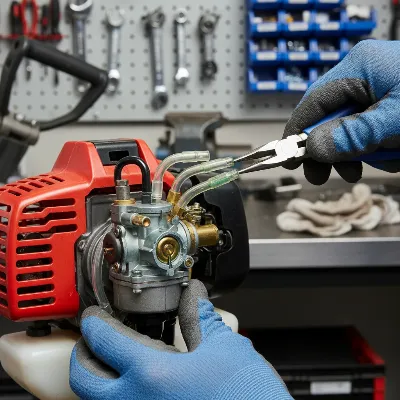 Close-up of a mechanic inspecting the fuel lines and carburetor of a gas string trimmer for clogs or leaks
Where to Purchase a String Trimmer
When it’s time to purchase a new gas string trimmer, you have several reliable options, both online and in brick-and-mortar stores. Each offers distinct advantages.
Local hardware stores and home improvement centers (like Home Depot, Lowe’s, or independent dealers) allow you to physically inspect models, compare sizes, and get immediate expert advice from sales associates. These stores also typically offer assembly services, and some provide local repair and warranty support. For many, the ability to see and feel the machine before buying is invaluable.
Online retailers such as Amazon, manufacturer websites (Husqvarna, Echo, Stihl), and specialized outdoor power equipment sites provide a broader selection, competitive pricing, and often detailed customer reviews that can inform your decision. While you can’t physically touch the product, the convenience of home delivery and extensive product specifications make online shopping a popular choice. Ensure you verify the retailer’s return policy and warranty support before purchasing. Always consider the brand’s reputation for parts availability and service network, as ongoing maintenance will be a part of owning a gas-powered tool.
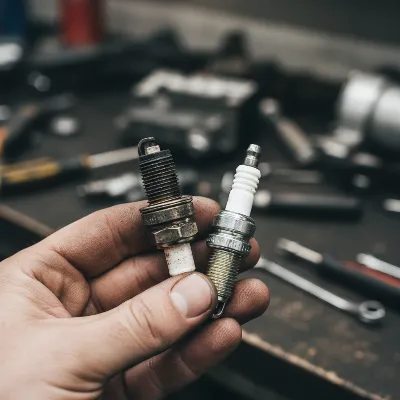 A hand holding a worn spark plug from a string trimmer next to a new, clean spark plug for comparison
Conclusion
A gas string trimmer is a powerful ally in maintaining a neat and tidy landscape, but its effectiveness hinges on its ability to start quickly and reliably. By understanding the common culprits behind starting issues—from stale fuel and clogged carburetors to fouled spark plugs and dirty air filters—you empower yourself to perform effective troubleshooting and maintenance. Regularly checking your fuel, maintaining your spark plug and air filter, and following proper starting procedures are simple yet critical steps that can prevent most frustrations. Investing in a quality trimmer suited to your needs and committing to a routine maintenance schedule will not only extend its lifespan but also ensure it’s always ready to tackle your yard work with ease. Don’t let a stubborn start deter you; a little knowledge and care can make all the difference.
What specific maintenance task have you found most effective in keeping your gas string trimmer starting flawlessly?
Frequently Asked Questions
Why does my gas string trimmer only “pop” but not fully start?
When your trimmer “pops” but doesn’t fully ignite, it usually means it’s getting spark and some fuel, but not enough to sustain combustion. This often indicates you need to switch the choke from full to half-choke or run position immediately after the first pop. Continuing on full choke can flood the engine, preventing it from starting properly.
How often should I replace the fuel in my gas string trimmer?
For optimal performance and to prevent carburetor clogs, it’s best to use fresh fuel for your gas string trimmer, ideally within 30 days of mixing (for 2-stroke) or purchasing (for straight gasoline). If you use it infrequently, consider using a fuel stabilizer or ethanol-free pre-mixed fuel to extend its shelf life.
Can a dirty air filter really stop a gas string trimmer from starting?
Absolutely. A heavily clogged air filter restricts the crucial flow of air into the engine. This creates an imbalance in the air-fuel mixture, making it too rich in fuel, which can prevent the engine from igniting or starting properly. Regular cleaning or replacement of the air filter is essential.
What’s the purpose of the primer bulb, and how many times should I press it?
The primer bulb’s purpose is to manually draw fuel into the carburetor, pushing air out of the fuel lines and ensuring the carburetor is primed for starting. For most gas string trimmers, pressing it 5-10 times until you see fuel and fewer air bubbles is sufficient before attempting to start a cold engine.
Is it necessary to drain the fuel for winter storage?
Yes, it is highly recommended to drain the fuel from your gas string trimmer or run it dry before long-term storage, especially over winter. Stale fuel can degrade, leaving sticky deposits that gum up the carburetor and fuel lines, leading to severe starting problems and costly repairs in the spring.
Get our weekly buyer guide
Practical specs, not advice. Unsubscribe anytime.
