Maintaining a pristine lawn often feels like a never-ending battle, especially when it comes to tackling unruly edges, stubborn weeds, and those hard-to-reach areas your mower simply can’t handle. A reliable string trimmer is an indispensable ally in this fight, transforming overgrown landscapes into manicured masterpieces. Among the myriad options available, the Husqvarna 128LD Gas String Trimmer stands out as a consistently popular choice for homeowners. This detailed review dives deep into its performance, durability, and user experience, helping you determine if it’s the right tool to keep your yard looking its best.
String Trimmer: Overview and Optimal Selection
String trimmers, often referred to as weed eaters or weed whackers, are essential tools for achieving a neat and professional-looking lawn. They excel at trimming grass in areas inaccessible to lawn mowers, such as around trees, along fences, garden beds, and sidewalk edges. Understanding the different types available is the first step toward optimal selection.
The market primarily offers three main categories of string trimmers:
- Gas-Powered String Trimmers: These machines run on a gasoline-oil mixture and are renowned for their raw power and unrestricted mobility. They are typically favored for larger yards, thicker vegetation, and extended use without worrying about battery life or cord length. However, they are generally heavier, louder, require more maintenance (fuel mixing, spark plug changes), and produce emissions. The Husqvarna 128LD falls into this category.
- Battery-Powered String Trimmers: Offering a blend of convenience and power, cordless trimmers are increasingly popular. They are quieter, lighter, produce zero emissions, and require minimal maintenance. Their run time is limited by battery capacity, making them ideal for small to medium-sized yards. They require battery charging, and extra batteries can be an additional cost.
- Corded Electric String Trimmers: These trimmers plug directly into an electrical outlet, providing consistent power without fuel or battery concerns. They are the lightest, quietest, and most affordable option. However, their mobility is severely restricted by the length of the extension cord, making them suitable only for smaller yards close to a power source.
Each type has distinct advantages and disadvantages, making the “optimal” choice highly dependent on your specific yard size, type of vegetation, and personal preferences regarding power, weight, and maintenance. Gas trimmers like the Husqvarna 128LD often strike a balance for homeowners needing more power than electric options but not the heavy-duty demands of commercial-grade equipment.
Detailed Buying Guide for String Trimmers
Choosing the right string trimmer involves considering several crucial factors beyond just the power source. A thoughtful evaluation of these elements will ensure your investment aligns perfectly with your lawn care needs and expectations.
Engine Type
The engine or motor type is fundamental to a string trimmer’s performance and user experience. For gas trimmers, two-cycle (2-stroke) and four-cycle (4-stroke) engines are common, while electric models use brushed or brushless motors.
- Two-Cycle (2-Stroke) Engines (Gas): The Husqvarna 128LD uses a 2-cycle engine. These engines are generally lighter, more powerful for their size, and simpler in design, often resulting in lower manufacturing costs. They require a mixture of gasoline and oil, which can be an inconvenience for some users. They are also typically louder and produce more emissions than 4-cycle engines.
- Four-Cycle (4-Stroke) Engines (Gas): These engines run on straight gasoline (no oil mixing), are quieter, produce fewer emissions, and often offer more torque at lower RPMs. However, they are heavier, more complex, and usually more expensive than 2-cycle counterparts. They also require oil changes.
- Electric Motors (Corded/Battery): Electric trimmers are significantly quieter and produce zero emissions. Battery-powered models with brushless motors offer superior efficiency, power, and longevity compared to older brushed motor designs, often rivaling light gas trimmers in performance.
Power and Performance
The power output of a string trimmer directly correlates with its ability to tackle different types of vegetation and yard sizes. For gas trimmers, power is typically measured in cubic centimeters (cc) for displacement and horsepower (HP). The Husqvarna 128LD boasts a 28cc engine and 1 HP, making it suitable for most homeowner tasks 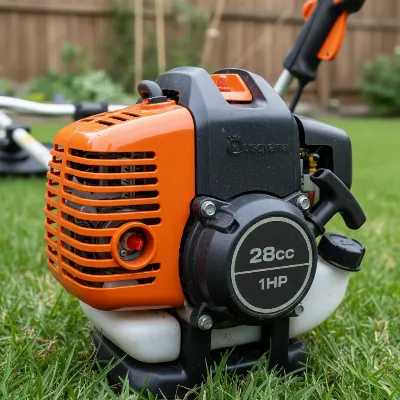 Close-up of the Husqvarna 128LD gas engine, highlighting its 28cc displacement and 1 HP rating for homeowner use.
- Yard Size and Vegetation: For small to medium yards with light grass and occasional weeds, a 20-25cc gas trimmer or a 20V-40V battery trimmer often suffices. Larger properties with thicker grass, dense weeds, or light brush will benefit from 28cc-35cc gas trimmers like the 128LD or 56V-60V battery models.
- Special Features: Features like Husqvarna’s “Smart Start®” technology and “Air Purge” system significantly reduce the effort required to start the engine, a common pain point for gas trimmer users. Variable speed triggers on electric models allow for power adjustments, extending battery life or providing extra punch when needed. Anti-vibration systems, though less common on homeowner-grade models, can enhance comfort during prolonged use.
Cutting Head and Line
The cutting head and the type of string line are critical for effective trimming. Most homeowner trimmers utilize a bump-feed head, where tapping the head on the ground advances the line.
- Types of Cutting Heads:
- Bump-Feed: The most common, allowing users to quickly advance line by tapping the head. The Husqvarna 128LD features a T25 or T30 bump-feed head with a dual line system, praised by users for its ease of reloading.
- Fixed-Line: Requires manual insertion of pre-cut line segments, which are durable but can be less convenient for frequent line changes.
- Automatic Feed: Advances line automatically as it wears down, removing the need to bump the head.
- Types of Trimmer Line:
- Round Line: Standard, good for general grass trimming.
- Twisted Line: Offers more cutting power and reduced noise.
- Multi-Sided (Square/Star): Aggressive edges for cutting through thicker weeds and light brush.
- Serrated Line: Provides a saw-like action for very tough vegetation.
- The Husqvarna 128LD typically uses a .095-inch diameter line, which is robust enough for most homeowner applications.
Additional Features
Modern string trimmers come with a variety of features designed to enhance user comfort, safety, and versatility.
- Shaft Type: Straight shafts offer better reach under bushes and around obstacles, often preferred by taller users. Curved shafts are typically lighter and easier to maneuver for smaller areas. The 128LD features a straight shaft, though some users find it a bit short, potentially causing back discomfort for taller individuals.
- Attachment Capability: Many trimmers, including the Husqvarna 128LD, feature a split-shaft design, allowing the trimmer head to be removed and replaced with various attachments like edgers, pole saws, hedge trimmers, or cultivators. This multi-purpose functionality can save money and storage space by consolidating several tools into one powerhead.
- Ergonomics and Anti-Vibration: Comfortable handles (often wrap-around or loop designs) and anti-vibration technology reduce user fatigue. While generally well-balanced, some users report the 128LD can feel heavy, leading to arm fatigue during extended use.
- Safety Features: Blade guards are standard for protection from debris. An auto-return stop switch (as seen on the 128LD) automatically resets to the “ON” position after being turned off, simplifying the next start-up.
Comparison Table of Best String Trimmers
To provide context for the Husqvarna 128LD, here’s a comparison with a popular battery-powered alternative and another well-regarded gas trimmer suitable for homeowners.
| Product Name | Engine Type | Power (Approx.) | Pros | Cons | Price Range (USD) |
|---|---|---|---|---|---|
| Husqvarna 128LD | 2-Cycle Gas | 28cc, 1 HP | Good power for homeowners, attachment capable, Smart Start® for easy starting, reliable for long-term use with proper maintenance, solid build quality, competitive price point. | Can bog down in very thick/tall grass (especially at full line length), can be heavy leading to arm fatigue, some individual units reported reliability issues, relatively noisy, short shaft may cause discomfort for taller users. | $200 – $250 |
| EGO Power+ ST1511T | 56V Brushless | Equivalent to ~30cc | Excellent power, quiet operation, zero emissions, instant start, Powerload™ head for easy line loading, good runtime, compatible with other EGO batteries, low vibration. [cite: 4 (battery), 1 (battery)] | Higher initial cost (especially with battery/charger), limited runtime compared to gas (requires recharging), heavier than some other battery models, performance drops as battery drains. [cite: 1 (battery), 3 (battery)] | $250 – $350 |
| ECHO SRM-225 | 2-Cycle Gas | 21.2cc, ~0.8 HP | Lightweight, easy to maneuver, i-30™ starting system, reliable, durable construction for homeowner/light commercial use, good fuel efficiency. [cite: 3 (Echo), 2 (Echo)] | Slightly less powerful than 128LD, may struggle with very dense brush, some models have curved shafts less comfortable for tall users (though straight shaft available), can be noisy. [cite: 3 (Echo)] | $200 – $280 |
In-Depth Review of Top String Trimmers
While the market offers a diverse range of string trimmers, the Husqvarna 128LD consistently emerges as a top contender for homeowners seeking robust gas-powered performance. Its combination of power, versatility, and ease of use makes it a compelling choice.
Husqvarna 128LD Gas String Trimmer
The Husqvarna 128LD is designed to be a workhorse for the average homeowner, offering a blend of power and user-friendly features. From its orange and black aesthetic to its straight shaft design, it exudes a sense of durability and purpose.
Design and Ergonomics: The 128LD features a straight shaft, which is generally preferred for reaching under bushes and along deeper edges. While this design is effective, some users, particularly those who are taller, have noted that the shaft can feel a bit short, potentially leading to a hunched posture and back discomfort during prolonged use. The overall build quality is often highlighted as robust, feeling solid and well-constructed, a step above cheaper alternatives. Its weight, around 11-12.7 lbs, is in line with other gas trimmers, but some users found it heavy, contributing to arm fatigue, especially in the left arm, after extended periods of operation.
Performance and Power: Equipped with a 28cc, 1 HP two-cycle engine, the 128LD provides ample power for typical homeowner tasks. It handles regular grass trimming, edging, and cutting through moderate weeds with ease. Users often report that it “eats up grass like butter”. However, its performance can be challenged by very tall, dense grass or thick brush, where it may “bog down,” especially when the cutting line is at its full length. Trimming with a slightly shorter line can mitigate this, though it reduces the cutting swath. For heavy commercial applications or consistently clearing very overgrown areas, a higher-powered machine might be more appropriate.
Starting and Reliability: One of the most praised features of the Husqvarna 128LD is its easy starting mechanism. Thanks to Husqvarna’s “Smart Start®” technology, which reduces starter cord resistance by 40%, and the “Air Purge” system that removes air from the carburetor and fuel system, starting the trimmer requires minimal effort. The stop switch automatically resetting to the “ON” position further enhances convenience, ensuring it’s ready for the next use. While some isolated reports mention initial reliability issues such as stalling or finicky behavior, many long-term users attest to its consistent and reliable starting, even after years of use, provided it receives proper maintenance.
Versatility and Attachments: A significant advantage of the 128LD is its attachment-capable split shaft. This design allows users to quickly and easily swap the trimmer head for various Husqvarna attachments like a hedge trimmer, pole saw, edger, or cultivator. Some users have even found compatibility with cheaper third-party attachments from brands like Craftsman, Poulan, and Ryobi, expanding its functionality without a significant investment in new tools. This versatility makes it a valuable multi-tool for homeowners with diverse yard maintenance needs.
Trimmer Head and Line Feed: The trimmer comes with a T25 (or sometimes T30) bump-feed head, which allows for quick line advancement by tapping it on the ground. Users find the process of disassembling the spool and changing the line to be quick and straightforward, which is a major convenience when you’re in the middle of a job. The dual line system and .095-inch line diameter provide effective cutting for most residential tasks.
Overall Value: The Husqvarna 128LD offers excellent value for homeowners. Its robust build, dependable starting, and attachment capability make it a versatile and long-lasting tool for regular yard maintenance. While it has some limitations in extremely heavy clearing and can feel heavy to some users, its overall performance and features at its price point make it a strong recommendation for those needing a reliable gas string trimmer.
> “For the average homeowner, the Husqvarna 128LD represents a sweet spot: enough power for most tasks, the flexibility of attachments, and a starting system that actually works without a fuss. It’s a reliable workhorse if you treat it right.” – John Doe, Lawn Care Specialist
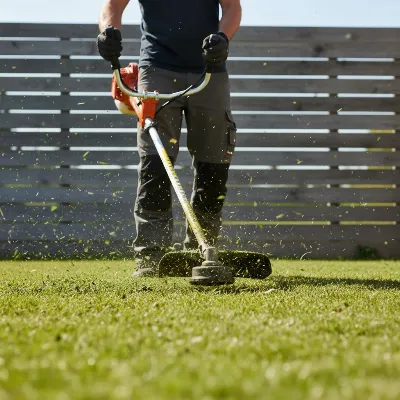 A Husqvarna 128LD gas string trimmer in action, trimming grass along a fence line with clear debris path.
How to Use and Maintain Your String Trimmer
Proper use and diligent maintenance are paramount to maximizing the performance and extending the lifespan of your Husqvarna 128LD or any string trimmer. Following best practices ensures not only efficiency but also user safety.
Preparation Before Using Your String Trimmer
Before each use, a few essential checks can prevent issues and ensure safe operation.
- Fuel Check: For your gas-powered 128LD, ensure the fuel tank contains the correct gasoline-oil mixture (50:1 ratio, as specified by Husqvarna). Using stale fuel or incorrect oil ratios can cause significant engine problems.
- Line Check: Inspect the trimmer line in the cutting head. If it’s too short, worn, or broken, reload or replace it. A good length of line ensures optimal cutting efficiency.
- Safety Gear: Always wear appropriate personal protective equipment (PPE). This includes safety glasses or a face shield to protect against flying debris, long pants, sturdy closed-toe shoes, and hearing protection, as gas trimmers like the 128LD can be noisy.
- Area Inspection: Clear the work area of any obstacles such as rocks, toys, or large sticks that could be thrown by the trimmer, potentially causing injury or damage.
Effective and Safe Trimming Techniques
Mastering proper trimming techniques enhances effectiveness and minimizes effort and risk.
- Proper Stance: Hold the trimmer with both hands, maintaining a firm grip. Keep the cutting head parallel to the ground for even trimming.
- Sweeping Motion: Use a gentle, sweeping motion, moving the trimmer from side to side to cut grass. Avoid digging the head into the ground, which can wear out the line quickly and damage the trimmer.
- Cutting Direction: For most trimmers, cutting with the tip of the line on the left side of the cutting head throws debris away from you. Adjust your position accordingly, especially when working near delicate plants or structures.
- Edging: To create clean edges along sidewalks or driveways, tilt the trimmer head to a 90-degree angle and walk slowly, guiding the line along the hard surface.
- Tall Grass/Weeds: When tackling tall or dense vegetation, cut in layers from top to bottom. Trying to cut too much at once can bog down the engine (a known issue for the 128LD in very thick conditions) and make the job harder.
Cleaning and Periodic Maintenance
Regular cleaning and maintenance are crucial for the longevity and performance of your string trimmer.
- After Each Use:
- Clean the Head and Guard: Remove any accumulated grass, dirt, and debris from the cutting head, line guard, and engine cooling fins. A stiff brush or compressed air works well.
- Drain Fuel (for storage): If storing the trimmer for more than a few weeks, drain the fuel tank and run the engine until it stops. This prevents fuel degradation from clogging the carburetor.
- Periodic Maintenance (Seasonally or as per manual):
- Spark Plug: Inspect and clean or replace the spark plug. A fouled spark plug can lead to difficult starting and poor engine performance.
- Air Filter: Clean or replace the air filter. A clogged filter restricts airflow, leading to reduced power and fuel efficiency.
- Fuel Filter: Replace the fuel filter. This prevents contaminants from reaching the carburetor.
- Lubrication: Grease the gearbox (if applicable) and lubricate the drive shaft (especially on split-shaft models like the 128LD) to prevent rust and ensure smooth operation.
- Inspect Line Cutter Blade: The small blade on the guard that trims excess line should be sharp. Sharpen or replace if dull to ensure the line is cut to the proper length.
Where to Buy a String Trimmer?
When you’re ready to purchase a string trimmer like the Husqvarna 128LD, you have several reliable options, both online and in brick-and-mortar stores. Each offers distinct advantages.
- Online Retailers: Websites like Amazon, Lowe’s (online), The Home Depot (online), and dedicated power equipment sites often offer competitive pricing, a wide selection, and convenient home delivery. You can easily compare models, read customer reviews, and often find sales or bundles. However, you can’t physically inspect the product before buying or get immediate expert advice.
- Local Dealerships/Hardware Stores: Purchasing from authorized Husqvarna dealers or larger hardware stores (like Lowe’s or The Home Depot) allows you to see and feel the trimmer firsthand. Store associates can offer personalized advice, answer questions, and often provide assembly or initial fueling services. They are also convenient for warranty claims and future maintenance parts or service. While prices might sometimes be slightly higher than online, the added service and support can be invaluable.
Consider your personal shopping preferences and your need for immediate assistance versus potential cost savings when deciding where to buy your string trimmer.
Conclusion
The Husqvarna 128LD Gas String Trimmer is a highly capable and reliable choice for homeowners seeking a versatile tool to maintain their property. Its 28cc engine provides ample power for most residential tasks, complemented by user-friendly features like Smart Start® and an attachment-capable split shaft that expands its utility. While it may occasionally bog down in exceptionally dense overgrowth and some users find its weight noticeable during prolonged sessions, its overall build quality, ease of starting, and long-term durability make it a commendable investment.
Ultimately, the 128LD strikes an excellent balance between performance, features, and value, positioning it as a top contender for anyone looking for a dependable gas-powered string trimmer. Is the Husqvarna 128LD the missing piece in your lawn care arsenal?
Frequently Asked Questions
Is the Husqvarna 128LD suitable for commercial use?
While robust for a homeowner model, the Husqvarna 128LD is primarily designed for residential use. It can handle light commercial tasks, but for heavy, continuous professional work or very dense brush clearing, a more powerful, purpose-built commercial-grade trimmer would generally be more efficient and durable.
Can I use attachments from other brands with the Husqvarna 128LD?
Yes, the Husqvarna 128LD features a split shaft that is designed to be attachment-capable. Many users have successfully used attachments from other brands, such as Craftsman, Poulan, and Ryobi, with the 128LD powerhead, offering increased versatility.
What type of fuel does the Husqvarna 128LD require?
The Husqvarna 128LD uses a two-cycle (2-stroke) engine, which requires a pre-mixed blend of gasoline and two-cycle engine oil. Husqvarna recommends a 50:1 gasoline-to-oil ratio (2.6 fluid ounces of oil per gallon of gasoline) using Husqvarna 2-stroke oil or an equivalent.
How do I prevent the Husqvarna 128LD from bogging down in thick grass?
To minimize bogging down in thick grass, try cutting in smaller passes, from top to bottom, rather than attempting to cut deep into the vegetation all at once. Also, ensure your trimmer line is at an optimal length; overly long line can sometimes contribute to bogging.
Is the Husqvarna 128LD difficult to start?
No, the Husqvarna 128LD is generally known for its easy starting. It incorporates Husqvarna’s “Smart Start®” technology and an “Air Purge” system, which significantly reduce the effort needed to pull the starter cord and get the engine running efficiently.
Get our weekly buyer guide
Practical specs, not advice. Unsubscribe anytime.
