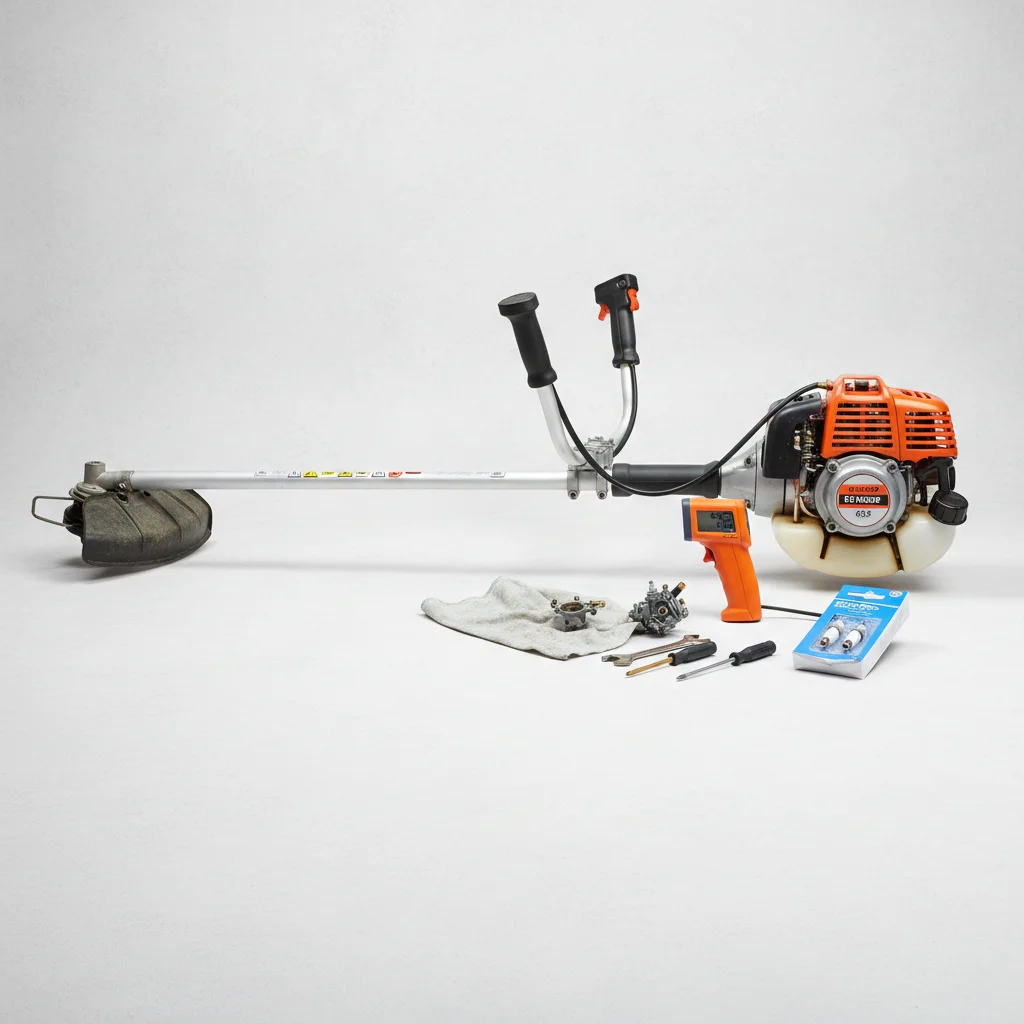
A string trimmer that refuses to start when hot can be a frustrating issue, often indicating one of five common problems. These typically involve fuel delivery, ignition system components, or engine compression. Understanding these potential culprits is the first step to diagnosing and resolving the problem, getting your yard work back on track efficiently.
Understanding Vapor Lock in String Trimmers
Vapor lock occurs when the fuel in the fuel line or carburetor heats up and turns into a gaseous state. This prevents liquid fuel from reaching the engine, causing it to stall or fail to start when hot. This issue is more common in hotter climates or after prolonged use. To mitigate vapor lock, ensure your fuel lines are not kinked and consider using fresh, high-quality fuel that is less prone to vaporization. Allowing the trimmer to cool down for a period can also temporarily resolve the issue, but addressing the underlying cause is crucial for a permanent fix.
Carburetor Issues and Hot Starting Problems
The carburetor is a critical component for mixing air and fuel. When a string trimmer won’t start when hot, a common cause can be a malfunctioning carburetor. This might include a clogged fuel filter within the carburetor, a sticky float, or a diaphragm that has lost its flexibility due to heat. Over time, fuel deposits can build up, restricting fuel flow. Cleaning the carburetor with a specialized cleaner or rebuilding it with a new kit can often resolve these issues. If the problem persists, a complete carburetor replacement might be necessary.
Ignition System Malfunctions When Hot
|
Our Picks for the Best String Trimmer in 2026
As an Amazon Associate I earn from qualifying purchases.
|
||
| Num | Product | Action |
|---|---|---|
| 1 | BLACK+DECKER 20V MAX Weed Eater, Edger and Sweeper Combo, Includes 2 Batteries and Charger, Cordless Electric Weed Wacker and 130 Mph Hard Surface Leaf Blower, 10 in. (LCC222) |

|
| 2 | BLACK+DECKER Weed Wacker with Auto Feed, 14-Inch 2 in 1 String Trimmer Lawn Edger, Powerful 6.5-Amp Lightweight Electric Weed Eater (BESTA510) |
|
| 3 | Houselife 12" Cordless Weed Eater Compatible with Dewalt 20V Max Battery (No Battery), Auto Feed Cordless String Trimmer&Weed Wacker, Lightweight Electric 20V Weed Trimmer&Edger for Lawn, Garden, Yard |
|
| 4 | 20V 12" Cordless String Trimmer With 2 X 4.0Ah Battery and Charger, Electric Grass Trimmer Battery Powered Eater String, Edger Lawn Tool Grass Cutter With 8pcs Line, Lawn Mover For Garden Yard, Orange |
|
| 5 | BLACK+DECKER String Trimmer, Electric, 14-inch (BESTE620) |
|
| 6 | WORX Cordless String Trimmer & Lawn Edger, 12'' Electric Weed Wacker with 4.6 LBS, 20V Weed Eater with 90° Pivoting Head, Batteries & Charger Not Included, WG170.9 |
|
| 7 | CRAFTSMAN WEEDWACKER® String Trimmer, 6.5 Amp, 14-Inch (CMEST913) |
|
| 8 | Cordless String Trimmer Compatible with Milwaukee M18 18V Battery(Tool Only), 12-Inch 3-in-1 Weed Eater with 8500RPM Upgraded Motor, Automatic Line Feed Weed Wacker for Lawn Edging and Mowing-Red |
|
| 9 | WORX Cordless String Trimmer & Lawn Edger, 12'' Electric Weed Wacker with 5.5 LBS, 20V Weed Eater with 90° Pivoting Head, Battery & Charger Included, WG170.2 |
|
| 10 | Cordless String Trimmer Compatible with Dewalt 20V MAX Battery, 12-Inch Weed Wacker Cordless Auto Line Feed,Electric Weed Eater Battery Powered Grass Trimmer w/6 Line Spools(Tool Only) |
|
The ignition system, particularly the ignition coil and spark plug, can be sensitive to heat. An ignition coil that is failing can work when cold but break down when it heats up, leading to a loss of spark. Similarly, a faulty spark plug can exhibit intermittent issues under high temperatures. To diagnose this, check for a strong, consistent spark when the engine is hot. If the spark is weak or absent, replacing the spark plug is a simple first step. If that doesn’t resolve it, testing and potentially replacing the ignition coil should be considered. Ensure all electrical connections are clean and secure.
Fuel Line and Filter Obstructions
Even if the carburetor is clean, obstructions in the fuel line or a clogged fuel filter can prevent adequate fuel delivery, especially when the engine is hot and demanding more fuel. Over time, debris from the fuel tank or degraded fuel lines can restrict flow. Inspect the fuel lines for cracks, kinks, or hardening. Replace any lines that show signs of wear. The fuel filter, typically located inside the fuel tank, should be checked and replaced if it appears dirty or clogged. This is a relatively inexpensive and straightforward maintenance task that can significantly improve hot starting performance.
Engine Compression and Valve Clearance
While less common for hot starting issues specifically, problems with engine compression can manifest as difficulty starting, especially when hot. Worn piston rings or cylinder walls can lead to a loss of compression. For 4-stroke string trimmers, incorrect valve clearance can also contribute to starting difficulties when the engine is warm. A compression test can help diagnose these internal engine problems. If compression is low, a more extensive engine repair or rebuild may be required. Regular maintenance, including proper oil changes for 4-stroke engines, can help prevent these issues.
- Check fuel lines for kinks or damage.
- Clean or replace the fuel filter.
- Inspect and clean the carburetor.
- Test the spark plug and ignition coil.
- Allow the trimmer to cool down if vapor lock is suspected.
Get our weekly buyer guide
Practical specs, not advice. Unsubscribe anytime.
