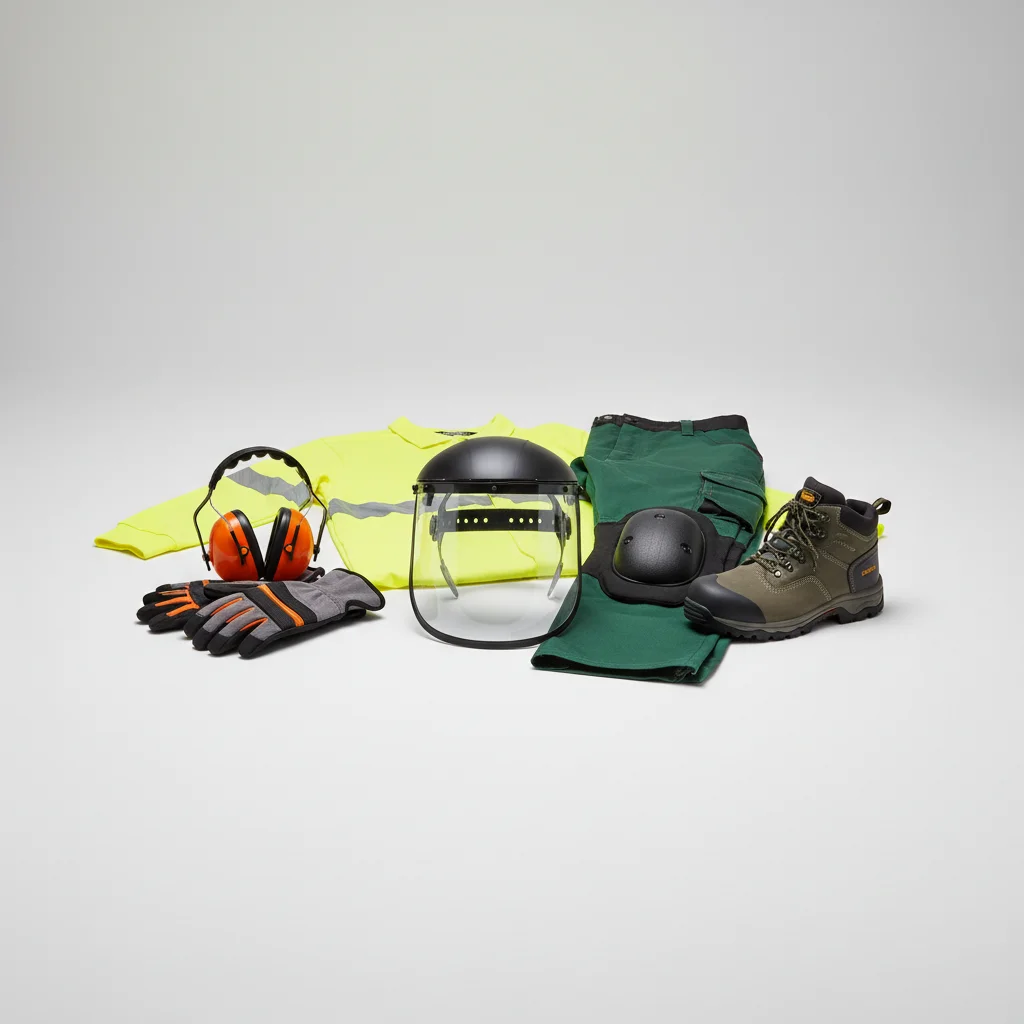
When operating a string trimmer, protecting yourself from flying debris, loud noise, and potential injuries is paramount. The best string trimmer safety gear includes five essential items: safety glasses, hearing protection, long pants, sturdy boots, and work gloves. Each piece plays a crucial role in preventing accidents and ensuring a safe trimming experience.
Essential Eye Protection: Safety Glasses and Face Shields
Your eyes are highly vulnerable to projectiles like small rocks, twigs, and grass clippings. ANSI Z87.1-rated safety glasses are a non-negotiable item, providing impact resistance and UV protection. For even greater defense, consider a full face shield worn over your safety glasses, especially when tackling dense brush or working in areas with a high risk of flying debris. This combination offers comprehensive protection against impacts and splashes, keeping your vision clear and safe.
Hearing Protection: Muffs or Plugs for Noise Reduction
String trimmers can produce noise levels that exceed safe limits, potentially leading to permanent hearing damage over time. Investing in quality hearing protection, such as earmuffs or earplugs, is crucial. Earmuffs offer excellent noise reduction and are often more comfortable for extended use, while earplugs are compact and convenient. Look for products with a high Noise Reduction Rating (NRR) to ensure adequate protection against the loud engine and cutting line.
Protecting Your Body: Long Pants and Sturdy Footwear
|
Our Picks for the Best String Trimmer in 2026
As an Amazon Associate I earn from qualifying purchases.
|
||
| Num | Product | Action |
|---|---|---|
| 1 | BLACK+DECKER 20V MAX Weed Eater, Edger and Sweeper Combo, Includes 2 Batteries and Charger, Cordless Electric Weed Wacker and 130 Mph Hard Surface Leaf Blower, 10 in. (LCC222) |

|
| 2 | WORX Cordless String Trimmer & Lawn Edger, 12'' Electric Weed Wacker with 5.5 LBS, 20V Weed Eater with 90° Pivoting Head, Battery & Charger Included, WG170.2 |
|
| 3 | WORX Cordless String Trimmer & Lawn Edger, 12'' Electric Weed Wacker with 4.6 LBS, 20V Weed Eater with 90° Pivoting Head, Batteries & Charger Not Included, WG170.9 |
|
| 4 | BLACK+DECKER Weed Wacker with Auto Feed, 14-Inch 2 in 1 String Trimmer Lawn Edger, Powerful 6.5-Amp Lightweight Electric Weed Eater (BESTA510) |
|
| 5 | Cordless String Trimmer Compatible with Dewalt 20V MAX Battery, 12-Inch Weed Wacker Cordless Auto Line Feed,Electric Weed Eater Battery Powered Grass Trimmer w/6 Line Spools(Tool Only) |
|
| 6 | CRAFTSMAN WEEDWACKER® String Trimmer, 6.5 Amp, 14-Inch (CMEST913) |
|
| 7 | Cordless String Trimmer Compatible with Milwaukee M18 18V Battery(Tool Only), 12-Inch 3-in-1 Weed Eater with 8500RPM Upgraded Motor, Automatic Line Feed Weed Wacker for Lawn Edging and Mowing-Red |
|
| 8 | BLACK+DECKER String Trimmer, Electric, 14-inch (BESTE620) |
|
| 9 | 20V 12" Cordless String Trimmer With 2 X 4.0Ah Battery and Charger, Electric Grass Trimmer Battery Powered Eater String, Edger Lawn Tool Grass Cutter With 8pcs Line, Lawn Mover For Garden Yard, Orange |
|
| 10 | Houselife 12" Cordless Weed Eater Compatible with Dewalt 20V Max Battery (No Battery), Auto Feed Cordless String Trimmer&Weed Wacker, Lightweight Electric 20V Weed Trimmer&Edger for Lawn, Garden, Yard |
|
Wearing long pants made of durable material, such as denim or work-grade fabric, is essential to protect your legs from flying debris, scratches, and minor cuts. Avoid shorts or thin fabrics that offer little to no protection. Similarly, sturdy, closed-toe boots with good ankle support are vital. These protect your feet from impacts, provide stability on uneven terrain, and prevent slips. Steel-toe boots offer an extra layer of protection against dropped tools or heavy objects.
Hand Protection: Work Gloves for Grip and Safety
Work gloves are indispensable for operating a string trimmer. They provide a secure grip on the tool, reducing the risk of it slipping from your hands, especially when wet or sweaty. More importantly, gloves protect your hands from vibrations, blisters, cuts, and abrasions. Look for gloves with good padding and durable material that allow for dexterity while offering robust protection.
Additional Safety Considerations and Best Practices
Beyond the core safety gear, always inspect your string trimmer before each use, ensuring all guards are in place and the line is properly installed. Clear the work area of any obstacles or loose items that could become projectiles. Maintain a safe distance from others while operating the trimmer, and never operate it under the influence of alcohol or drugs. Proper technique, including maintaining balance and using a sweeping motion, also contributes significantly to overall safety. Remember, prioritizing safety not only protects you but also ensures a more efficient and enjoyable trimming experience.
- Always wear ANSI Z87.1-rated safety glasses.
- Use earmuffs or earplugs with a high NRR.
- Wear long, durable pants and sturdy, closed-toe boots.
- Protect your hands with work gloves.
- Inspect your trimmer and clear the work area before starting.
Get our weekly buyer guide
Practical specs, not advice. Unsubscribe anytime.

I used to skip the work gloves, thinking they’d just make my hands sweaty, but after getting a few blisters and nicks, I finally gave in. Now I can’t imagine trimming without them. They really do prevent accidents and make gripping the trimmer much more comfortable for longer periods. Definitely an essential item.
I’ve always been pretty good about wearing hearing protection, but I never really thought about how crucial long pants are until I got a nasty rash from flying grass. Now I make sure to wear them every time, along with my ear muffs. It’s made my trimming sessions way more comfortable and less itchy.
The advice on sturdy boots is spot on, but I wish there was more mention of specific brands that offer good ankle support for uneven terrain. My current pair is okay, but I still feel a bit wobbly on slopes. Otherwise, the tips on gloves and eye protection are really helpful.
I used to just wear my regular sunglasses, but after reading about the importance of ANSI Z87.1-rated safety glasses, I upgraded. What a difference! I feel so much more secure now, especially when I’m really getting into the thick stuff around the fence line. It’s a small investment for peace of mind and protecting my eyes.