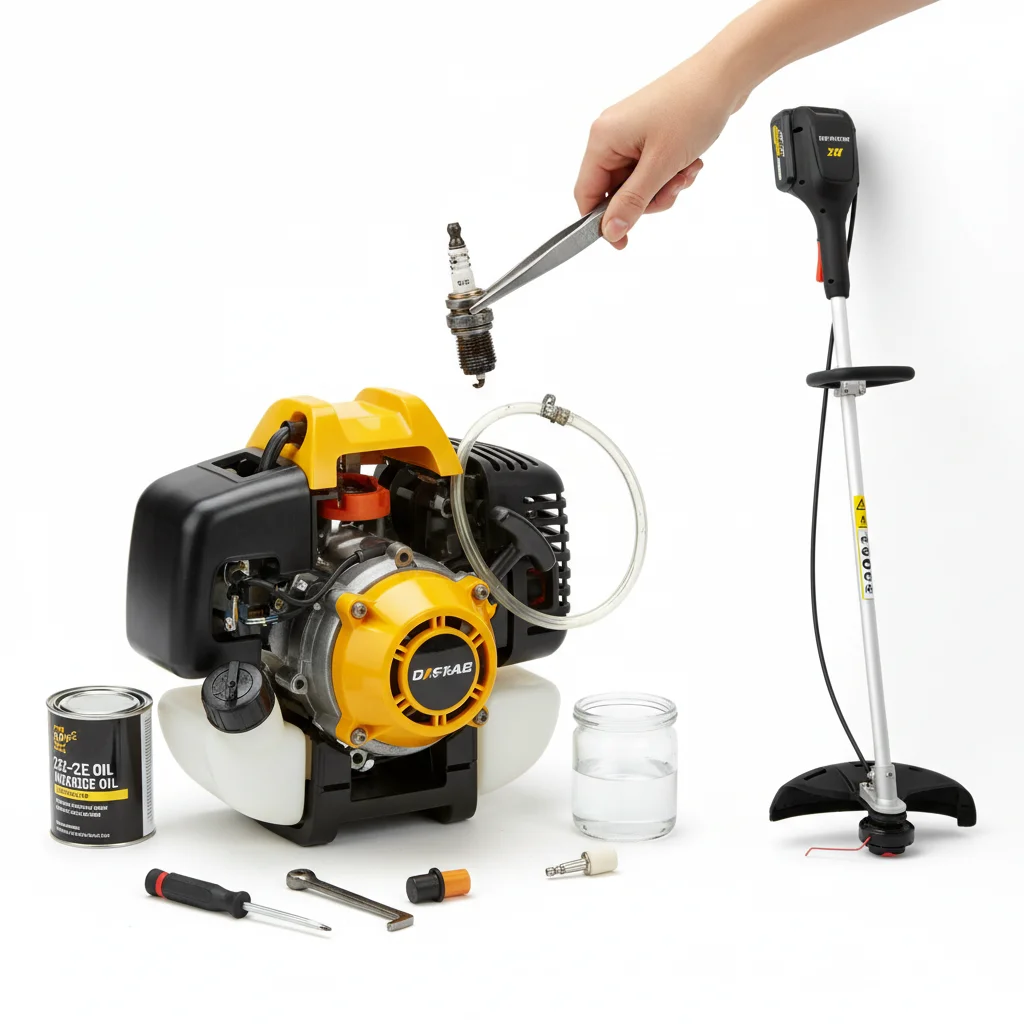
If your string trimmer won’t start, don’t despair! Many common starting issues can be resolved with a few simple troubleshooting steps. The most frequent culprits include stale fuel, a dirty spark plug, a clogged fuel filter, or a gummed-up carburetor. By systematically checking these components, you can often get your trimmer running smoothly again without needing professional help.
Check Your Fuel and Fuel Filter
One of the most common reasons a string trimmer fails to start is old or contaminated fuel. Gasoline can go stale in as little as 30 days, especially if it contains ethanol, which attracts water. Always use fresh, high-octane gasoline mixed with the correct ratio of two-stroke oil if your trimmer is a 2-cycle model. Drain any old fuel from the tank and refill with a fresh batch. While you’re at it, inspect the fuel filter, which is typically located inside the fuel tank at the end of the fuel line. A clogged filter restricts fuel flow, preventing the engine from getting the necessary fuel. Replace it if it appears dirty or obstructed.
Inspect and Clean the Spark Plug
A faulty or dirty spark plug is another frequent cause of starting problems. Remove the spark plug using a spark plug wrench. Examine the electrode for signs of carbon buildup, oil fouling, or damage. If it’s just dirty, you can try cleaning it with a wire brush and a spark plug cleaner. However, if the electrode is heavily fouled, corroded, or the porcelain insulator is cracked, it’s best to replace it. Ensure the gap is set correctly according to your trimmer’s manual. A properly gapped and clean spark plug provides the strong spark needed for ignition.
Troubleshoot Carburetor Issues
|
Our Picks for the Best String Trimmer in 2026
As an Amazon Associate I earn from qualifying purchases.
|
||
| Num | Product | Action |
|---|---|---|
| 1 | WORX Cordless String Trimmer & Lawn Edger, 12'' Electric Weed Wacker with 5.5 LBS, 20V Weed Eater with 90° Pivoting Head, Battery & Charger Included, WG170.2 |

|
| 2 | CRAFTSMAN WEEDWACKER® String Trimmer, 6.5 Amp, 14-Inch (CMEST913) |
|
| 3 | 20V 12" Cordless String Trimmer With 2 X 4.0Ah Battery and Charger, Electric Grass Trimmer Battery Powered Eater String, Edger Lawn Tool Grass Cutter With 8pcs Line, Lawn Mover For Garden Yard, Orange |
|
| 4 | BLACK+DECKER Weed Wacker with Auto Feed, 14-Inch 2 in 1 String Trimmer Lawn Edger, Powerful 6.5-Amp Lightweight Electric Weed Eater (BESTA510) |
|
| 5 | Cordless String Trimmer Compatible with Milwaukee M18 18V Battery(Tool Only), 12-Inch 3-in-1 Weed Eater with 8500RPM Upgraded Motor, Automatic Line Feed Weed Wacker for Lawn Edging and Mowing-Red |
|
| 6 | Houselife 12" Cordless Weed Eater Compatible with Dewalt 20V Max Battery (No Battery), Auto Feed Cordless String Trimmer&Weed Wacker, Lightweight Electric 20V Weed Trimmer&Edger for Lawn, Garden, Yard |
|
| 7 | BLACK+DECKER String Trimmer, Electric, 14-inch (BESTE620) |
|
| 8 | Cordless String Trimmer Compatible with Dewalt 20V MAX Battery, 12-Inch Weed Wacker Cordless Auto Line Feed,Electric Weed Eater Battery Powered Grass Trimmer w/6 Line Spools(Tool Only) |
|
| 9 | BLACK+DECKER 20V MAX Weed Eater, Edger and Sweeper Combo, Includes 2 Batteries and Charger, Cordless Electric Weed Wacker and 130 Mph Hard Surface Leaf Blower, 10 in. (LCC222) |
|
| 10 | WORX Cordless String Trimmer & Lawn Edger, 12'' Electric Weed Wacker with 4.6 LBS, 20V Weed Eater with 90° Pivoting Head, Batteries & Charger Not Included, WG170.9 |
|
The carburetor is responsible for mixing air and fuel in the correct proportions for combustion. If your trimmer has been sitting for a while with fuel in it, the carburetor jets can become clogged with varnish and fuel deposits. This is a more complex issue but often fixable. You can try using a carburetor cleaner spray, following the product instructions carefully. For more stubborn clogs, the carburetor may need to be disassembled and cleaned, or even replaced. This step might require a bit more mechanical aptitude, but there are many online guides available.
Check the Air Filter and Primer Bulb
A dirty air filter can restrict airflow to the engine, making it difficult to start. Remove the air filter cover and inspect the filter element. If it’s dusty or clogged, clean it according to your trimmer’s manual (some are washable, others need replacement). A clean air filter ensures the engine gets enough air for proper combustion. Also, check the primer bulb. If it’s cracked, brittle, or doesn’t spring back when pressed, it won’t be able to draw fuel into the carburetor, preventing the trimmer from starting. Replace a damaged primer bulb promptly.
- Ensure fresh fuel is used, ideally with a fuel stabilizer.
- Regularly clean or replace the air filter.
- Inspect and clean the spark plug before each season.
- Store your trimmer properly during off-seasons, draining fuel or using stabilizer.
- Keep the fuel cap vent clear to prevent vacuum lock.
When to Seek Professional Help
While many starting issues are DIY-friendly, some problems might require professional attention. If you’ve gone through all the common troubleshooting steps and your string trimmer still won’t start, it might indicate a more serious internal engine problem, such as compression loss or a damaged ignition coil. In such cases, taking your trimmer to a qualified small engine mechanic is the most efficient solution. They have specialized tools and expertise to diagnose and repair complex issues, ensuring your trimmer is back in working order safely and effectively.Remember, regular maintenance can prevent many of these starting problems in the first place, saving you time and frustration.
Get our weekly buyer guide
Practical specs, not advice. Unsubscribe anytime.

I’ve had issues with my electric trimmer not starting after winter storage. The tip about stale fuel was spot on for my gas mower, so I figured it might apply here too. While electrics don’t use gas, the advice about general maintenance still helped me realize I needed to check the power cord for damage. It wasn’t the fuel, but it got me thinking about other common issues. Good advice overall.
My old gas trimmer was giving me fits, just wouldn’t turn over. I was about to give up and buy a new one, but then I read about checking the spark plug. Sure enough, it was totally fouled. Swapped it out, and it fired right up! Saved me a ton of money and a trip to the store. Definitely worth trying these steps before tossing your machine.
I tried all the suggestions for my 2-cycle trimmer, especially draining the old fuel and refilling with a fresh mix. It helped a little, but it still takes a few more pulls than it used to. I think my carburetor might be gummed up like it mentioned, which is a bit more involved than I wanted to tackle myself. Still, it’s better than nothing.
My husband’s commercial-grade trimmer was acting up, and he was ready to take it to a repair shop. I remembered reading about the fuel filter being a common culprit. We checked it, and it was completely clogged! Replaced it in about 10 minutes, and now it runs like new. So glad we didn’t have to pay for a professional fix.