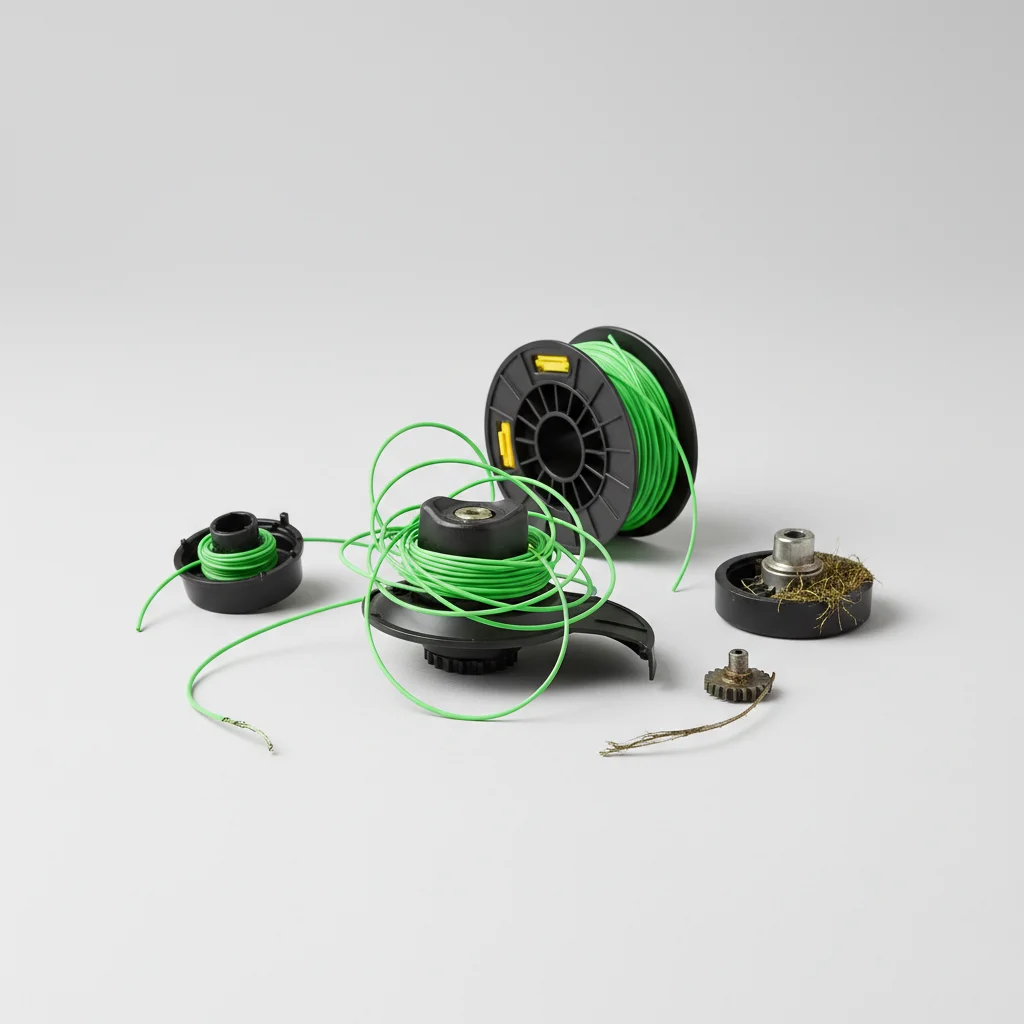
Experiencing string trimmer line feed issues can be incredibly frustrating, halting your yard work and leaving you with an unfinished lawn. The good news is that most line feeding problems stem from a few common culprits that are often easy to diagnose and fix. We’ve identified five primary reasons why your string trimmer might not be feeding line correctly, along with practical solutions to get you back to trimming efficiently.
Understanding Automatic vs. Manual Feed Systems
Before diving into specific issues, it’s helpful to understand the two main types of line feed systems: automatic and manual (bump feed). Automatic feed systems typically advance the line a small amount each time the trimmer is started or the throttle is released, relying on centrifugal force. Manual or bump feed systems require you to tap the trimmer head on the ground while the engine is running to release more line. Knowing which system your trimmer uses will help in troubleshooting. For gas buying guides on this site.
Reason 1: Incorrect Line Installation or Spooling
One of the most frequent causes of line feed problems is improper installation of the trimmer line or incorrect spooling. If the line is wound too loosely, too tightly, or crisscrossed on the spool, it can bind and prevent smooth feeding. Always follow your trimmer’s manual for specific instructions on how to load the line. Ensure the line is wound evenly and tightly, without any overlaps that could snag.
- Always use the correct line diameter specified by your trimmer manufacturer.
- Wind the line in the direction indicated by arrows on the spool or trimmer head.
- Ensure both ends of the line are threaded through the eyelets before reassembling the head.
- Avoid overfilling the spool; leave a small gap to prevent binding.
Reason 2: Worn or Damaged Trimmer Head Components
|
Our Picks for the Best String Trimmer in 2026
As an Amazon Associate I earn from qualifying purchases.
|
||
| Num | Product | Action |
|---|---|---|
| 1 | Cordless String Trimmer Compatible with Dewalt 20V MAX Battery, 12-Inch Weed Wacker Cordless Auto Line Feed,Electric Weed Eater Battery Powered Grass Trimmer w/6 Line Spools(Tool Only) |

|
| 2 | CRAFTSMAN WEEDWACKER® String Trimmer, 6.5 Amp, 14-Inch (CMEST913) |
|
| 3 | BLACK+DECKER 20V MAX Weed Eater, Edger and Sweeper Combo, Includes 2 Batteries and Charger, Cordless Electric Weed Wacker and 130 Mph Hard Surface Leaf Blower, 10 in. (LCC222) |
|
| 4 | Cordless String Trimmer Compatible with Milwaukee M18 18V Battery(Tool Only), 12-Inch 3-in-1 Weed Eater with 8500RPM Upgraded Motor, Automatic Line Feed Weed Wacker for Lawn Edging and Mowing-Red |
|
| 5 | WORX Cordless String Trimmer & Lawn Edger, 12'' Electric Weed Wacker with 4.6 LBS, 20V Weed Eater with 90° Pivoting Head, Batteries & Charger Not Included, WG170.9 |
|
| 6 | Houselife 12" Cordless Weed Eater Compatible with Dewalt 20V Max Battery (No Battery), Auto Feed Cordless String Trimmer&Weed Wacker, Lightweight Electric 20V Weed Trimmer&Edger for Lawn, Garden, Yard |
|
| 7 | BLACK+DECKER Weed Wacker with Auto Feed, 14-Inch 2 in 1 String Trimmer Lawn Edger, Powerful 6.5-Amp Lightweight Electric Weed Eater (BESTA510) |
|
| 8 | BLACK+DECKER String Trimmer, Electric, 14-inch (BESTE620) |
|
| 9 | WORX Cordless String Trimmer & Lawn Edger, 12'' Electric Weed Wacker with 5.5 LBS, 20V Weed Eater with 90° Pivoting Head, Battery & Charger Included, WG170.2 |
|
| 10 | 20V 12" Cordless String Trimmer With 2 X 4.0Ah Battery and Charger, Electric Grass Trimmer Battery Powered Eater String, Edger Lawn Tool Grass Cutter With 8pcs Line, Lawn Mover For Garden Yard, Orange |
|
Over time, parts of the trimmer head can wear out or become damaged, directly impacting line feed. This includes the eyelets (where the line exits the head), the spring, and the spool itself. Worn eyelets can create friction, preventing the line from advancing. A weak or broken spring in a bump feed head will prevent the mechanism from working correctly. Inspect these components regularly for signs of wear, cracks, or debris buildup.
If you notice significant wear, replacing the entire trimmer head or individual worn components is often the most effective solution. Many manufacturers offer replacement kits for common wear parts.
Reason 3: Line Fused Together or Stuck
Heat generated during operation can sometimes cause the trimmer line to fuse together inside the spool, especially if it’s been exposed to direct sunlight or stored improperly. When the line fuses, it becomes a solid mass that cannot advance. To check for this, remove the spool and carefully unwind a section of the line. If you find fused sections, you’ll need to replace the affected line or the entire spool. Additionally, debris like grass clippings or dirt can get inside the trimmer head and jam the line, preventing it from feeding. Regularly clean the trimmer head to remove any buildup.
Reason 4: Incorrect Line Type or Diameter
Using the wrong type or diameter of trimmer line can lead to consistent feeding issues. Lines that are too thick for your trimmer’s design may not fit properly in the spool or through the eyelets, causing jams. Conversely, line that is too thin might break too easily or not engage the feed mechanism effectively. Always refer to your trimmer’s owner’s manual for the recommended line diameter and type. Using a line that is too stiff or too flexible can also contribute to problems.
Reason 5: Engine or Drive Shaft Issues (Less Common)
While less common for line feed specifically, issues with the trimmer’s engine or drive shaft can indirectly affect line advancement, particularly in automatic feed systems that rely on engine RPM. If your trimmer is consistently bogging down, losing power, or the drive shaft is damaged, it might not generate enough centrifugal force to properly advance the line. Ensure your engine is well-maintained, and if you suspect a drive shaft issue, it may require professional inspection or repair.
By systematically checking these five common reasons, you can often diagnose and resolve string trimmer line feed issues yourself, saving time and money. Regular maintenance and using the correct line are key to preventing these problems in the first place.
Get our weekly buyer guide
Practical specs, not advice. Unsubscribe anytime.
