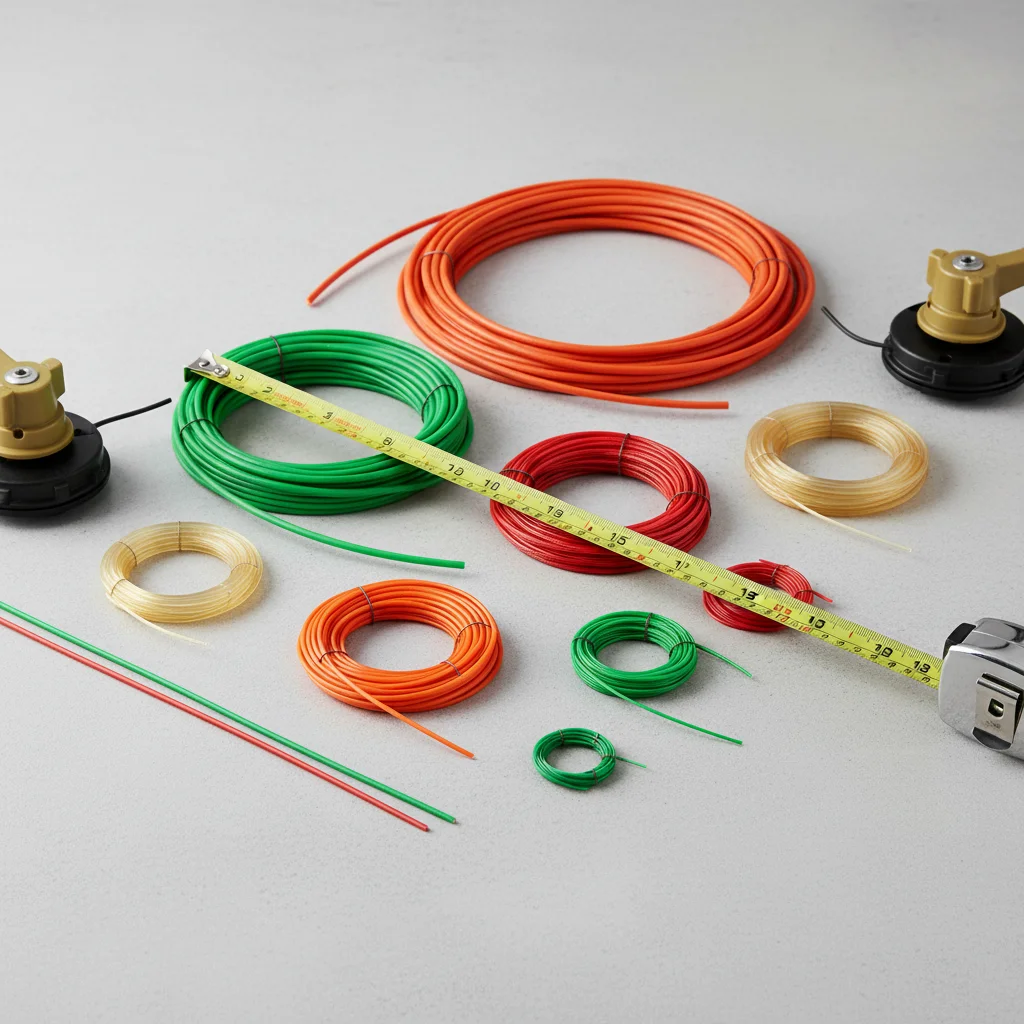
Choosing the correct string trimmer line size is crucial for efficient and effective yard work. Generally, there are three main categories of line diameters: light-duty (0.065 to 0.080 inches), medium-duty (0.085 to 0.110 inches), and heavy-duty (0.130 to 0.155 inches or more). The ideal size depends on the type of vegetation you’re tackling, the power of your trimmer, and the desired cutting performance.
Understanding Line Diameter Categories
Light-duty lines, typically ranging from 0.065 to 0.080 inches, are best suited for electric trimmers and smaller gas models. They excel at trimming delicate grass and light weeds in residential settings. Using a line that is too thick for a light-duty trimmer can strain the motor and reduce cutting efficiency.
Medium-duty lines, from 0.085 to 0.110 inches, offer a versatile option for most homeowners. These lines are compatible with a wide range of gas and electric trimmers and can handle thicker grass, moderate weeds, and light brush. They strike a good balance between durability and cutting speed.
Heavy-duty lines, measuring 0.130 inches and above, are designed for powerful commercial-grade trimmers and demanding tasks. They are ideal for cutting through dense brush, thick weeds, and overgrown areas. While highly durable, these lines require a trimmer with sufficient power to maintain optimal performance.
Matching Line Size to Trimmer Type
The type of string trimmer you own significantly influences the appropriate line size. Electric trimmers, especially corded models, often perform best with lighter lines to prevent motor overload. Battery-powered trimmers, particularly those with higher voltage, can sometimes handle slightly thicker lines, but it’s always best to consult your owner’s manual.
Gas-powered trimmers, due to their greater engine power, are generally more forgiving with line size. Smaller gas trimmers might be limited to medium-duty lines, while larger, commercial-grade models are built to handle the thickest lines for heavy-duty applications. Using a line that is too thin for a powerful gas trimmer can lead to frequent line breaks and reduced efficiency.
Consider the Vegetation You’re Cutting
|
Our Picks for the Best String Trimmer in 2026
As an Amazon Associate I earn from qualifying purchases.
|
||
| Num | Product | Action |
|---|---|---|
| 1 | 20V 12" Cordless String Trimmer With 2 X 4.0Ah Battery and Charger, Electric Grass Trimmer Battery Powered Eater String, Edger Lawn Tool Grass Cutter With 8pcs Line, Lawn Mover For Garden Yard, Orange |

|
| 2 | WORX Cordless String Trimmer & Lawn Edger, 12'' Electric Weed Wacker with 5.5 LBS, 20V Weed Eater with 90° Pivoting Head, Battery & Charger Included, WG170.2 |
|
| 3 | Cordless String Trimmer Compatible with Dewalt 20V MAX Battery, 12-Inch Weed Wacker Cordless Auto Line Feed,Electric Weed Eater Battery Powered Grass Trimmer w/6 Line Spools(Tool Only) |
|
| 4 | Houselife 12" Cordless Weed Eater Compatible with Dewalt 20V Max Battery (No Battery), Auto Feed Cordless String Trimmer&Weed Wacker, Lightweight Electric 20V Weed Trimmer&Edger for Lawn, Garden, Yard |
|
| 5 | Cordless String Trimmer Compatible with Milwaukee M18 18V Battery(Tool Only), 12-Inch 3-in-1 Weed Eater with 8500RPM Upgraded Motor, Automatic Line Feed Weed Wacker for Lawn Edging and Mowing-Red |
|
| 6 | WORX Cordless String Trimmer & Lawn Edger, 12'' Electric Weed Wacker with 4.6 LBS, 20V Weed Eater with 90° Pivoting Head, Batteries & Charger Not Included, WG170.9 |
|
| 7 | CRAFTSMAN WEEDWACKER® String Trimmer, 6.5 Amp, 14-Inch (CMEST913) |
|
| 8 | BLACK+DECKER 20V MAX Weed Eater, Edger and Sweeper Combo, Includes 2 Batteries and Charger, Cordless Electric Weed Wacker and 130 Mph Hard Surface Leaf Blower, 10 in. (LCC222) |
|
| 9 | BLACK+DECKER Weed Wacker with Auto Feed, 14-Inch 2 in 1 String Trimmer Lawn Edger, Powerful 6.5-Amp Lightweight Electric Weed Eater (BESTA510) |
|
| 10 | BLACK+DECKER String Trimmer, Electric, 14-inch (BESTE620) |
|
The primary factor in selecting line size is the type of vegetation you intend to cut. For routine lawn maintenance and light weed trimming, a smaller diameter line will provide a cleaner cut and conserve battery or fuel. If you’re regularly dealing with overgrown areas, tough weeds, or light brush, stepping up to a medium or heavy-duty line will be more effective and durable.
For very dense or woody vegetation, a heavy-duty line is essential to prevent constant breakage and ensure efficient cutting. Attempting to cut thick brush with a light-duty line will be frustrating and ineffective, potentially damaging your trimmer in the long run.
Benefits of Using the Correct Line Size
- Improved cutting efficiency and speed
- Reduced strain on your trimmer’s motor or engine
- Fewer line breaks, saving time and frustration
- Longer lifespan for your string trimmer
- Better overall cutting performance and a cleaner finish
When to Upgrade Your Line Size
You might consider upgrading your line size if you frequently experience line breakage, notice your trimmer struggling to cut through vegetation, or find yourself needing to make multiple passes over the same area. However, always ensure your trimmer is rated to handle the thicker line. Overloading your trimmer with a line that is too thick can lead to premature wear and tear or even damage to the motor or engine.
Conversely, if you’re using a line that’s too thick for your tasks, you might notice reduced battery life, increased fuel consumption, or a less precise cut. Experimenting with different line sizes within your trimmer’s recommended range can help you find the optimal balance for your specific needs.For the best results, always refer to your string trimmer’s user manual for recommended line diameters.
Get our weekly buyer guide
Practical specs, not advice. Unsubscribe anytime.
