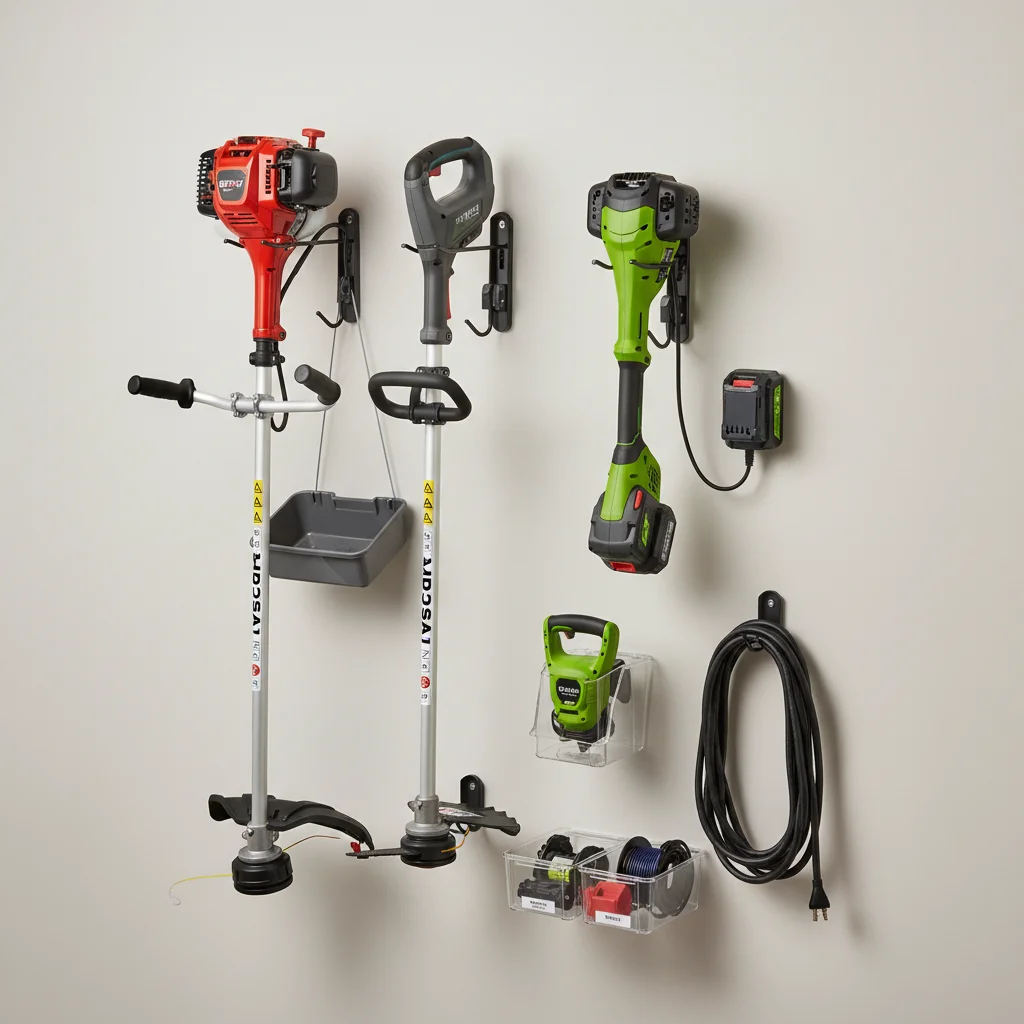
Proper string trimmer storage is crucial for extending the life of your equipment and ensuring it’s ready for action when you need it. Whether you have a gas or electric model, incorrect storage can lead to a host of problems, from fuel system issues to battery degradation. By following a few simple steps, you can prevent common storage-related malfunctions and save yourself time and money on repairs. This guide will walk you through the essential practices for storing your string trimmer, covering everything from cleaning and maintenance to optimal storage environments.
One of the most critical aspects of string trimmer storage is preparing the unit for its dormant period. For gas models, this involves fuel stabilization or complete fuel removal, while electric models require attention to battery charge and terminal protection. Neglecting these steps can result in carburetor clogs, battery capacity loss, or even corrosion. Investing a little time in proper storage now will pay dividends in the long run, ensuring your trimmer remains a reliable tool for years to come.
Preparing Your Gas String Trimmer for Storage
Gas string trimmers require specific preparation to prevent fuel-related issues during storage. The primary concern is the degradation of gasoline, which can lead to gum and varnish deposits in the carburetor. You have two main options: either completely drain the fuel system or use a fuel stabilizer. If you choose to drain the fuel, run the engine until it sputters and dies, ensuring all fuel is consumed from the carburetor. This prevents stale fuel from causing blockages. For longer storage periods, draining is generally recommended.
Alternatively, adding a high-quality fuel stabilizer to a full tank of fresh gasoline can protect the fuel system. Run the engine for a few minutes after adding the stabilizer to ensure it circulates throughout the carburetor. This method is often preferred for shorter storage durations or if you anticipate needing to use the trimmer again relatively soon. Always consult your owner’s manual for specific recommendations regarding fuel storage and stabilizer use.
Electric String Trimmer Storage Best Practices
|
Our Picks for the Best String Trimmer in 2026
As an Amazon Associate I earn from qualifying purchases.
|
||
| Num | Product | Action |
|---|---|---|
| 1 | Cordless String Trimmer Compatible with Milwaukee M18 18V Battery(Tool Only), 12-Inch 3-in-1 Weed Eater with 8500RPM Upgraded Motor, Automatic Line Feed Weed Wacker for Lawn Edging and Mowing-Red |

|
| 2 | Cordless String Trimmer Compatible with Dewalt 20V MAX Battery, 12-Inch Weed Wacker Cordless Auto Line Feed,Electric Weed Eater Battery Powered Grass Trimmer w/6 Line Spools(Tool Only) |
|
| 3 | BLACK+DECKER Weed Wacker with Auto Feed, 14-Inch 2 in 1 String Trimmer Lawn Edger, Powerful 6.5-Amp Lightweight Electric Weed Eater (BESTA510) |
|
| 4 | WORX Cordless String Trimmer & Lawn Edger, 12'' Electric Weed Wacker with 4.6 LBS, 20V Weed Eater with 90° Pivoting Head, Batteries & Charger Not Included, WG170.9 |
|
| 5 | 20V 12" Cordless String Trimmer With 2 X 4.0Ah Battery and Charger, Electric Grass Trimmer Battery Powered Eater String, Edger Lawn Tool Grass Cutter With 8pcs Line, Lawn Mover For Garden Yard, Orange |
|
| 6 | WORX Cordless String Trimmer & Lawn Edger, 12'' Electric Weed Wacker with 5.5 LBS, 20V Weed Eater with 90° Pivoting Head, Battery & Charger Included, WG170.2 |
|
| 7 | Houselife 12" Cordless Weed Eater Compatible with Dewalt 20V Max Battery (No Battery), Auto Feed Cordless String Trimmer&Weed Wacker, Lightweight Electric 20V Weed Trimmer&Edger for Lawn, Garden, Yard |
|
| 8 | CRAFTSMAN WEEDWACKER® String Trimmer, 6.5 Amp, 14-Inch (CMEST913) |
|
| 9 | BLACK+DECKER String Trimmer, Electric, 14-inch (BESTE620) |
|
| 10 | BLACK+DECKER 20V MAX Weed Eater, Edger and Sweeper Combo, Includes 2 Batteries and Charger, Cordless Electric Weed Wacker and 130 Mph Hard Surface Leaf Blower, 10 in. (LCC222) |
|
Electric string trimmers, both corded and cordless, have different storage requirements compared to their gas counterparts. For corded electric models, the main considerations are cleaning and proper cord management. Ensure the trimmer is clean and dry, and wrap the power cord neatly to prevent kinks or damage. Store it in a dry place, away from extreme temperatures.
Cordless string trimmers, powered by batteries, require special attention to battery care. It’s generally recommended to store lithium-ion batteries with a partial charge, typically around 40-60%, rather than fully charged or completely depleted. This helps maintain battery health and longevity. Remove the battery from the trimmer and store it separately in a cool, dry place. Protect the battery terminals from moisture and short circuits.
Cleaning and Maintenance Before Storage
Regardless of whether your trimmer is gas or electric, a thorough cleaning and basic maintenance are essential before storage. Start by removing any grass, dirt, or debris from the cutting head, shaft, and engine housing. A stiff brush or compressed air can be effective for this. Pay close attention to cooling fins on gas engines to ensure proper airflow when the trimmer is next used. Inspect the string trimmer head for any damage or wear, and consider replacing the line if it’s low or brittle.
For gas trimmers, check the air filter and clean or replace it as needed. Inspect the spark plug for fouling and replace it if necessary. Lubricate any moving parts as recommended by your manufacturer’s manual. For all trimmers, ensure all nuts, bolts, and screws are tight. A clean and well-maintained trimmer is less likely to develop issues during storage and will be ready for immediate use when the season begins.
Optimal Storage Environment
The environment where you store your string trimmer plays a significant role in its preservation. The ideal storage location is cool, dry, and protected from extreme temperature fluctuations. Garages, sheds, or basements can be suitable, provided they meet these criteria. Avoid storing your trimmer in direct sunlight or in areas prone to high humidity, as these conditions can accelerate degradation of plastic components, rubber seals, and metal parts.
Consider using a cover or a dedicated storage bag to protect the trimmer from dust and accidental damage. If storing vertically, ensure it is securely mounted or placed to prevent it from falling. For gas trimmers, ensure adequate ventilation if any fuel remains in the tank. Proper environmental control helps prevent rust, corrosion, and material breakdown, ensuring your trimmer remains in top condition.
Key Storage Tips for String Trimmers
- Always clean your trimmer thoroughly before storing.
- For gas models, stabilize or drain fuel completely.
- Store electric batteries with a partial charge (40-60%).
- Protect your trimmer from dust and moisture.
- Avoid extreme temperatures and direct sunlight.
By following these comprehensive storage guidelines, you can significantly extend the lifespan of your string trimmer and ensure it performs optimally season after season. Taking the time for proper preparation and choosing the right storage environment will save you from frustrating starting issues and costly repairs. A well-stored trimmer is a reliable trimmer, ready to tackle your yard work with ease.
Get our weekly buyer guide
Practical specs, not advice. Unsubscribe anytime.
