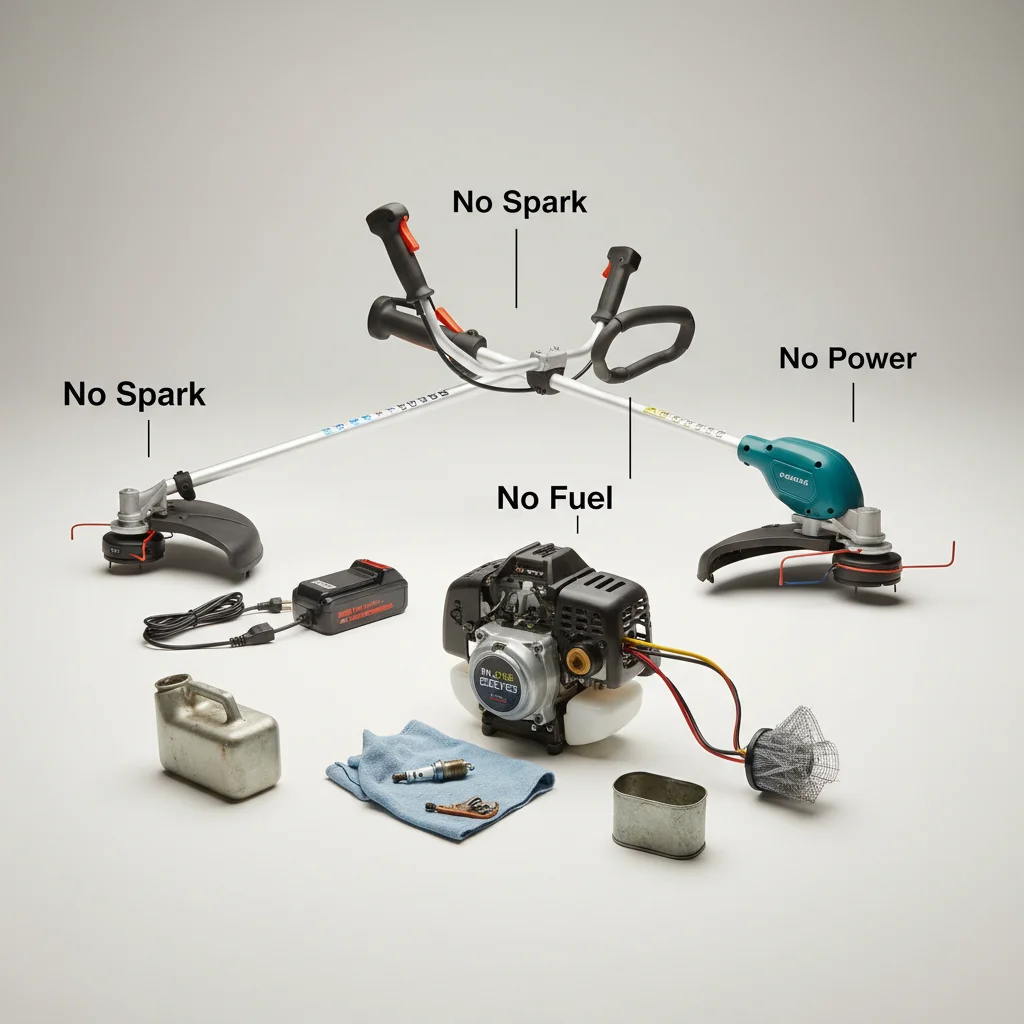
When your string trimmer won’t start, it can be frustrating, but many common issues can be resolved with simple troubleshooting. The most frequent culprits include old or stale fuel, a dirty spark plug, a clogged fuel filter, or a gummed-up carburetor. Addressing these problems often requires basic tools and a few minutes of your time, getting you back to yard work quickly.
Check the Fuel and Fuel Filter
One of the most common reasons a string trimmer fails to start is issues with the fuel. Old or stale gasoline can degrade over time, losing its combustibility and leaving behind sticky residues that clog fuel lines and carburetors. Always use fresh, properly mixed fuel (if it’s a 2-stroke engine) and consider adding a fuel stabilizer if you store fuel for extended periods. If the fuel is fresh, the next step is to inspect the fuel filter. This small filter, usually located inside the fuel tank, can become clogged with debris, restricting fuel flow to the engine. A dirty fuel filter prevents the engine from getting the necessary fuel to ignite.
- Drain old fuel and refill with fresh, stabilized gasoline.
- Inspect the fuel filter for visible debris or discoloration.
- Replace the fuel filter if it appears clogged or damaged.
- Ensure the fuel cap vent is not blocked, allowing proper air flow.
- Check fuel lines for cracks or leaks that could introduce air.
Inspect and Replace the Spark Plug
The spark plug is crucial for igniting the fuel-air mixture in the engine. If the spark plug is dirty, fouled with carbon deposits, or simply worn out, it won’t produce a strong enough spark to start the engine. To check the spark plug, carefully remove it using a spark plug wrench. Examine the electrode for signs of wear, damage, or heavy carbon buildup. A healthy spark plug should have a clean, light brown or grayish tip. If it’s black, oily, or corroded, it’s time for a replacement. Always use the manufacturer-recommended spark plug type for your specific trimmer model.
Clean or Adjust the Carburetor
|
Our Picks for the Best String Trimmer in 2026
As an Amazon Associate I earn from qualifying purchases.
|
||
| Num | Product | Action |
|---|---|---|
| 1 | BLACK+DECKER String Trimmer, Electric, 14-inch (BESTE620) |

|
| 2 | WORX Cordless String Trimmer & Lawn Edger, 12'' Electric Weed Wacker with 4.6 LBS, 20V Weed Eater with 90° Pivoting Head, Batteries & Charger Not Included, WG170.9 |
|
| 3 | WORX Cordless String Trimmer & Lawn Edger, 12'' Electric Weed Wacker with 5.5 LBS, 20V Weed Eater with 90° Pivoting Head, Battery & Charger Included, WG170.2 |
|
| 4 | BLACK+DECKER 20V MAX Weed Eater, Edger and Sweeper Combo, Includes 2 Batteries and Charger, Cordless Electric Weed Wacker and 130 Mph Hard Surface Leaf Blower, 10 in. (LCC222) |
|
| 5 | BLACK+DECKER Weed Wacker with Auto Feed, 14-Inch 2 in 1 String Trimmer Lawn Edger, Powerful 6.5-Amp Lightweight Electric Weed Eater (BESTA510) |
|
| 6 | Cordless String Trimmer Compatible with Milwaukee M18 18V Battery(Tool Only), 12-Inch 3-in-1 Weed Eater with 8500RPM Upgraded Motor, Automatic Line Feed Weed Wacker for Lawn Edging and Mowing-Red |
|
| 7 | CRAFTSMAN WEEDWACKER® String Trimmer, 6.5 Amp, 14-Inch (CMEST913) |
|
| 8 | Cordless String Trimmer Compatible with Dewalt 20V MAX Battery, 12-Inch Weed Wacker Cordless Auto Line Feed,Electric Weed Eater Battery Powered Grass Trimmer w/6 Line Spools(Tool Only) |
|
| 9 | 20V 12" Cordless String Trimmer With 2 X 4.0Ah Battery and Charger, Electric Grass Trimmer Battery Powered Eater String, Edger Lawn Tool Grass Cutter With 8pcs Line, Lawn Mover For Garden Yard, Orange |
|
| 10 | Houselife 12" Cordless Weed Eater Compatible with Dewalt 20V Max Battery (No Battery), Auto Feed Cordless String Trimmer&Weed Wacker, Lightweight Electric 20V Weed Trimmer&Edger for Lawn, Garden, Yard |
|
The carburetor mixes air and fuel in the correct proportions for combustion. Over time, especially with old fuel, the small jets and passages within the carburetor can become clogged with varnish and debris. This prevents the engine from receiving the proper fuel-air mixture, making it difficult or impossible to start. For minor clogs, a carburetor cleaner spray can sometimes clear the blockages without full disassembly. For more stubborn issues, the carburetor may need to be removed, disassembled, and thoroughly cleaned. In some cases, the carburetor’s idle or mixture screws might need minor adjustments, though this is less common for starting issues unless they’ve been tampered with previously.
Check the Air Filter and Primer Bulb
A clean air filter is essential for proper engine operation. If the air filter is clogged with dirt and debris, it restricts airflow to the carburetor, leading to a rich fuel mixture that can prevent starting. Remove the air filter and inspect it; if it’s dirty, clean it according to the manufacturer’s instructions (often with soap and water for foam filters, or by tapping out debris for paper filters) or replace it. Additionally, check the primer bulb. This small rubber bulb, when pressed, draws fuel into the carburetor. If the primer bulb is cracked, stiff, or doesn’t draw fuel, it indicates a problem with the fuel system, often a clogged fuel line or a faulty bulb itself.
Consider Compression and Ignition System Issues
While less common for simple starting problems, a lack of engine compression or an issue with the ignition system can also prevent your string trimmer from firing up. Low compression can be caused by worn piston rings, a damaged cylinder, or a faulty head gasket. This usually requires professional repair. Similarly, if the ignition coil or flywheel magnet is faulty, the spark plug won’t receive the necessary electrical pulse to create a spark. Testing these components often requires specialized tools and knowledge, so if you’ve ruled out all other common issues, it might be time to consult a small engine mechanic.
Get our weekly buyer guide
Practical specs, not advice. Unsubscribe anytime.

My old gas trimmer was giving me fits, just wouldn’t turn over. I followed the advice here about checking the fuel filter, and sure enough, it was totally gunked up. Replaced it and added some fresh fuel, and it fired right up. Saved me a trip to the repair shop, which is always a plus.
Fantastic advice! My string trimmer wouldn’t start for weeks, and I was convinced it was a goner. Turns out, I was using old fuel from last season. Swapped it out for fresh, properly mixed fuel, and it started on the second pull. Simple fix that made a huge difference.
I was about to give up on my electric trimmer when it suddenly stopped working. The tip about checking the spark plug seemed a bit odd for an electric, but then I realized it was actually a hybrid model! Cleaned the plug and it’s running perfectly now. So glad I didn’t just toss it.
My two-stroke trimmer has been a pain lately. I tried all the fuel-related fixes, even adding a stabilizer, but it still struggles to start sometimes. I think my carburetor might be gummed up like it mentioned, but that feels a bit beyond my DIY skills. Wish there were more detailed steps for that part.