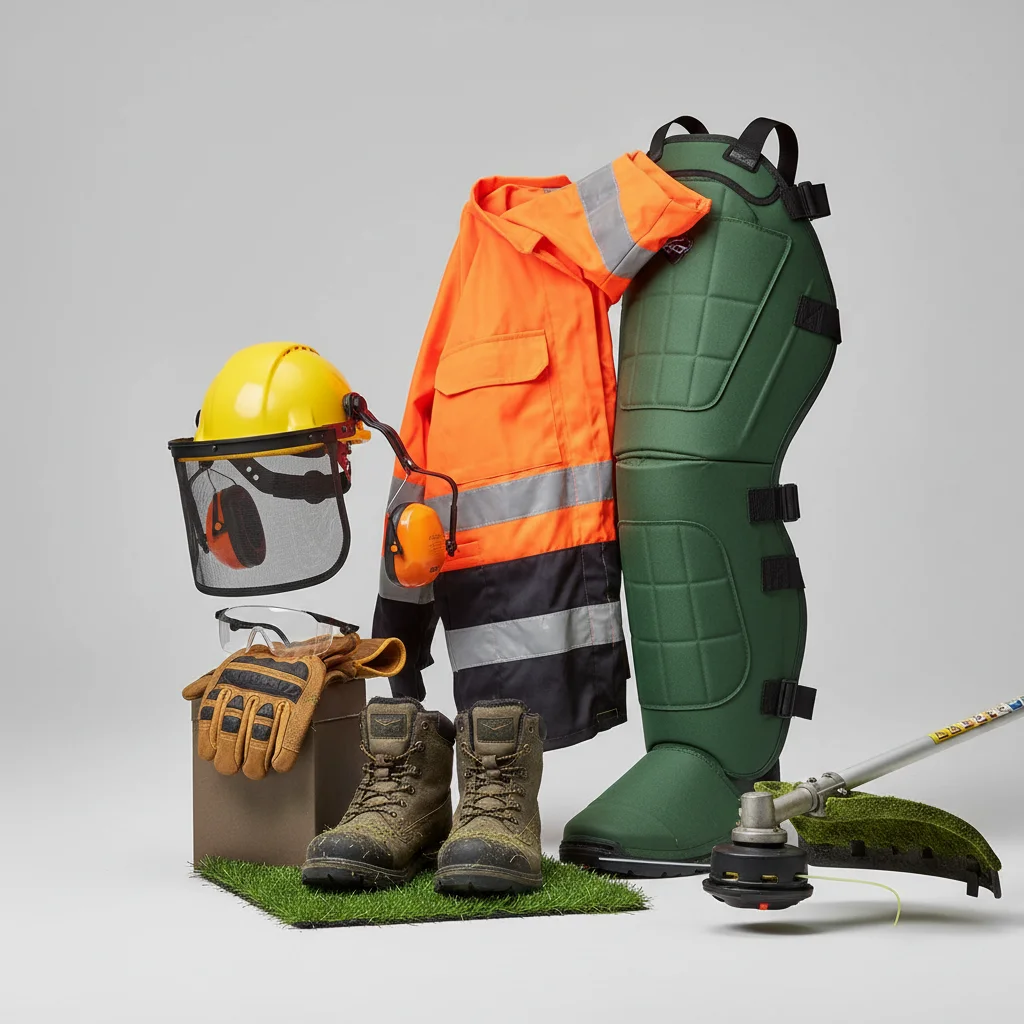
When operating a string trimmer, protecting yourself from potential hazards is paramount. There are five essential pieces of safety gear you should always use to prevent injuries from flying debris, noise, and vibrations. These include eye protection, hearing protection, long pants, sturdy footwear, and gloves, each playing a critical role in ensuring a safe trimming experience.
Why Eye Protection is Non-Negotiable
Eye injuries are among the most common accidents when using a string trimmer. Debris such as small rocks, wood chips, and grass clippings can be ejected at high speeds, causing serious damage to your eyes. Always wear safety glasses or a face shield that meets ANSI Z87.1 standards. These provide a robust barrier against impacts and splashes, ensuring your vision remains unimpaired and protected throughout your yard work.
Protecting Your Hearing from Engine Noise
Gas and even some electric string trimmers can produce noise levels that exceed safe limits for prolonged exposure, potentially leading to permanent hearing damage. The average gas trimmer operates at around 95-105 decibels, well above the 85-decibel threshold where hearing protection is recommended. Use earmuffs or earplugs with a Noise Reduction Rating (NRR) of at least 25 dB to significantly reduce your risk.
The Importance of Long Pants and Sturdy Footwear
|
Our Picks for the Best String Trimmer in 2026
As an Amazon Associate I earn from qualifying purchases.
|
||
| Num | Product | Action |
|---|---|---|
| 1 | CRAFTSMAN WEEDWACKER® String Trimmer, 6.5 Amp, 14-Inch (CMEST913) |

|
| 2 | BLACK+DECKER String Trimmer, Electric, 14-inch (BESTE620) |
|
| 3 | WORX Cordless String Trimmer & Lawn Edger, 12'' Electric Weed Wacker with 4.6 LBS, 20V Weed Eater with 90° Pivoting Head, Batteries & Charger Not Included, WG170.9 |
|
| 4 | BLACK+DECKER 20V MAX Weed Eater, Edger and Sweeper Combo, Includes 2 Batteries and Charger, Cordless Electric Weed Wacker and 130 Mph Hard Surface Leaf Blower, 10 in. (LCC222) |
|
| 5 | Houselife 12" Cordless Weed Eater Compatible with Dewalt 20V Max Battery (No Battery), Auto Feed Cordless String Trimmer&Weed Wacker, Lightweight Electric 20V Weed Trimmer&Edger for Lawn, Garden, Yard |
|
| 6 | Cordless String Trimmer Compatible with Dewalt 20V MAX Battery, 12-Inch Weed Wacker Cordless Auto Line Feed,Electric Weed Eater Battery Powered Grass Trimmer w/6 Line Spools(Tool Only) |
|
| 7 | WORX Cordless String Trimmer & Lawn Edger, 12'' Electric Weed Wacker with 5.5 LBS, 20V Weed Eater with 90° Pivoting Head, Battery & Charger Included, WG170.2 |
|
| 8 | Cordless String Trimmer Compatible with Milwaukee M18 18V Battery(Tool Only), 12-Inch 3-in-1 Weed Eater with 8500RPM Upgraded Motor, Automatic Line Feed Weed Wacker for Lawn Edging and Mowing-Red |
|
| 9 | BLACK+DECKER Weed Wacker with Auto Feed, 14-Inch 2 in 1 String Trimmer Lawn Edger, Powerful 6.5-Amp Lightweight Electric Weed Eater (BESTA510) |
|
| 10 | 20V 12" Cordless String Trimmer With 2 X 4.0Ah Battery and Charger, Electric Grass Trimmer Battery Powered Eater String, Edger Lawn Tool Grass Cutter With 8pcs Line, Lawn Mover For Garden Yard, Orange |
|
Your lower body is also vulnerable to injury from flying debris and the trimmer line itself. Wearing long pants made of durable material, such as denim or work pants, provides a layer of protection against cuts, scrapes, and impacts. Avoid shorts or thin fabrics. Similarly, sturdy, closed-toe shoes or work boots are essential. They protect your feet from falling objects, the trimmer line, and provide better traction on uneven terrain, reducing the risk of slips and falls.
Gloves for Grip and Vibration Dampening
Gloves offer multiple benefits when using a string trimmer. They improve your grip on the tool, reducing the chance of it slipping from your hands, especially in hot or humid conditions. More importantly, they help to dampen vibrations from the trimmer’s engine, which can lead to hand fatigue and conditions like Hand-Arm Vibration Syndrome (HAVS) over time. Look for gloves specifically designed for power tool use, often featuring padded palms and reinforced knuckles.
Additional Safety Considerations
Beyond the core gear, consider other safety practices. Always clear the work area of any loose objects before starting your trimmer. Maintain a safe distance from others, especially children and pets. Regularly inspect your trimmer for any damage or loose parts before each use. Understanding your trimmer’s manual and operating it according to manufacturer guidelines is also crucial for safe operation.
- Always wear ANSI Z87.1 certified eye protection.
- Use hearing protection with an NRR of at least 25 dB.
- Opt for long, durable pants and sturdy, closed-toe footwear.
- Wear work gloves with vibration dampening features.
- Clear your work area of debris before starting.
Get our weekly buyer guide
Practical specs, not advice. Unsubscribe anytime.

I used to just throw on some old sunglasses, but after reading about the ANSI Z87.1 standards, I upgraded to proper safety glasses. What a difference! You really don’t think about how fast those little rocks fly until you hear them pinging off your lenses. Definitely worth the investment for peace of mind.
The section on hearing protection really hit home for me. I’ve been using a gas trimmer for years and never really thought about the long-term effects of the engine noise. I picked up some good ear muffs and now my ears don’t ring after a long session. It’s crazy how much of a difference it makes.
I agree with most of the gear, especially the eye protection. However, I find that wearing gloves can sometimes make it harder to grip the trimmer, especially if my hands get sweaty. I still wear them, but I wish there were more breathable options that still offered good protection without feeling so bulky.
Good reminder about the long pants and sturdy footwear. I’ve had a few close calls with flying debris hitting my shins when I was just wearing shorts and sneakers. Now I always make sure to put on my work boots and some thick jeans before I start trimming. It’s a small step that makes a big difference in safety.