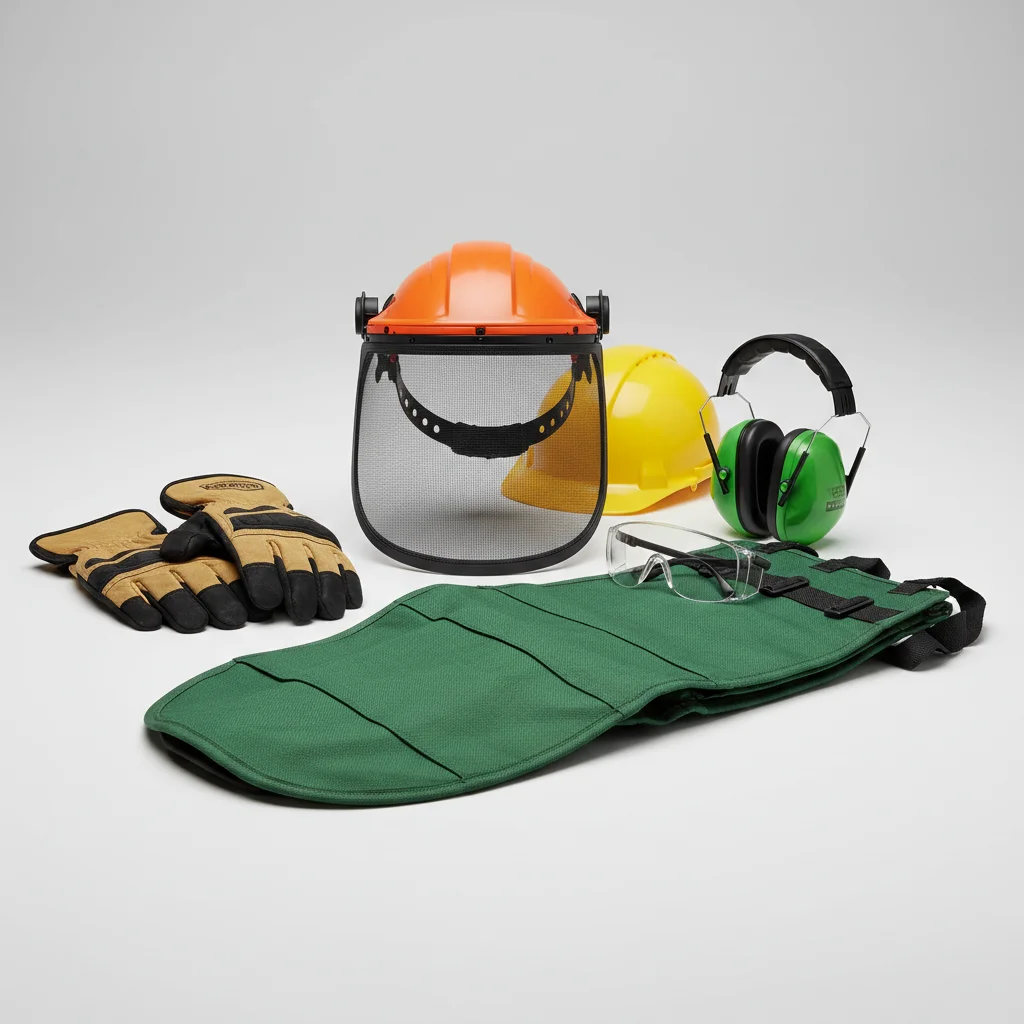
When operating a string trimmer, prioritizing safety is paramount. There are five essential pieces of safety gear you should always wear to protect yourself from common hazards like flying debris, noise, and vibrations. These include eye protection, hearing protection, long pants, sturdy footwear, and gloves, each playing a crucial role in preventing injuries during yard work.
Why Eye Protection is Non-Negotiable
Flying debris is one of the most significant risks when using a string trimmer. Small stones, twigs, and grass clippings can be propelled at high speeds, causing serious eye injuries. Safety glasses or goggles, preferably those with side shields, are absolutely essential. Look for models that meet ANSI Z87.1 standards for impact resistance to ensure maximum protection. Never operate a string trimmer without proper eye protection, even for quick tasks.
Protecting Your Hearing from Engine Noise
Gas and electric string trimmers can produce noise levels that exceed safe limits for prolonged exposure, potentially leading to permanent hearing damage. Earmuffs or earplugs are vital for mitigating this risk. Earmuffs offer excellent noise reduction and are often more comfortable for extended use, while earplugs are compact and convenient. Choose hearing protection with a Noise Reduction Rating (NRR) of at least 25 dB to adequately safeguard your ears.
The Importance of Long Pants and Sturdy Footwear
|
Our Picks for the Best String Trimmer in 2026
As an Amazon Associate I earn from qualifying purchases.
|
||
| Num | Product | Action |
|---|---|---|
| 1 | 20V 12" Cordless String Trimmer With 2 X 4.0Ah Battery and Charger, Electric Grass Trimmer Battery Powered Eater String, Edger Lawn Tool Grass Cutter With 8pcs Line, Lawn Mover For Garden Yard, Orange |

|
| 2 | CRAFTSMAN WEEDWACKER® String Trimmer, 6.5 Amp, 14-Inch (CMEST913) |
|
| 3 | BLACK+DECKER Weed Wacker with Auto Feed, 14-Inch 2 in 1 String Trimmer Lawn Edger, Powerful 6.5-Amp Lightweight Electric Weed Eater (BESTA510) |
|
| 4 | WORX Cordless String Trimmer & Lawn Edger, 12'' Electric Weed Wacker with 5.5 LBS, 20V Weed Eater with 90° Pivoting Head, Battery & Charger Included, WG170.2 |
|
| 5 | Cordless String Trimmer Compatible with Dewalt 20V MAX Battery, 12-Inch Weed Wacker Cordless Auto Line Feed,Electric Weed Eater Battery Powered Grass Trimmer w/6 Line Spools(Tool Only) |
|
| 6 | Cordless String Trimmer Compatible with Milwaukee M18 18V Battery(Tool Only), 12-Inch 3-in-1 Weed Eater with 8500RPM Upgraded Motor, Automatic Line Feed Weed Wacker for Lawn Edging and Mowing-Red |
|
| 7 | BLACK+DECKER String Trimmer, Electric, 14-inch (BESTE620) |
|
| 8 | WORX Cordless String Trimmer & Lawn Edger, 12'' Electric Weed Wacker with 4.6 LBS, 20V Weed Eater with 90° Pivoting Head, Batteries & Charger Not Included, WG170.9 |
|
| 9 | Houselife 12" Cordless Weed Eater Compatible with Dewalt 20V Max Battery (No Battery), Auto Feed Cordless String Trimmer&Weed Wacker, Lightweight Electric 20V Weed Trimmer&Edger for Lawn, Garden, Yard |
|
| 10 | BLACK+DECKER 20V MAX Weed Eater, Edger and Sweeper Combo, Includes 2 Batteries and Charger, Cordless Electric Weed Wacker and 130 Mph Hard Surface Leaf Blower, 10 in. (LCC222) |
|
Your legs and feet are also susceptible to injury from flying debris and the trimmer line itself. Wearing long pants made of durable material, such as denim or work pants, provides a barrier against impacts and abrasions. Avoid shorts or thin fabrics. Similarly, sturdy, closed-toe shoes or work boots are critical. They protect your feet from falling objects, the trimmer line, and provide better traction on uneven terrain. Never wear sandals or open-toed shoes while operating a string trimmer.
Gloves for Grip and Vibration Dampening
Gloves offer multiple benefits for string trimmer users. They improve your grip on the tool, reducing the chance of accidental slips, especially when hands become sweaty. More importantly, work gloves, particularly those designed for power tool use, can help dampen vibrations. Prolonged exposure to vibrations can lead to hand-arm vibration syndrome (HAVS), a condition that affects blood vessels, nerves, and joints. Look for gloves with padded palms and fingers for enhanced comfort and protection.
Additional Safety Considerations and Best Practices
Beyond the core safety gear, there are other practices that enhance your safety. Always read your string trimmer’s owner’s manual before operation to understand its specific safety features and recommendations. Inspect your trimmer before each use for any damage, loose parts, or worn lines. Clear the work area of any obstacles, children, or pets. Maintain a safe distance from others while operating the trimmer. Consider wearing a long-sleeved shirt for additional arm protection, especially when tackling dense brush.
- Always wear ANSI Z87.1 approved safety glasses or goggles.
- Use earmuffs or earplugs with an NRR of at least 25 dB.
- Wear long, durable pants and sturdy, closed-toe footwear.
- Utilize work gloves, preferably with vibration-dampening features.
- Inspect your trimmer and clear the work area before starting.
Get our weekly buyer guide
Practical specs, not advice. Unsubscribe anytime.

I’ve always been pretty good about wearing long pants and sturdy footwear, but I often skipped the gloves. After a few too many blisters and minor scrapes from vibrations, I finally got a good pair. It really does make a difference in comfort and grip, especially during longer trimming sessions. Wish I’d started using them sooner.
The advice on hearing protection is spot on. I’ve been using earplugs, but they sometimes fall out. I’m thinking about upgrading to earmuffs for better, more consistent coverage. It’s just a bit annoying to have to take them on and off when I need to talk to someone or hear what’s going on around me.
This was a great reminder about all the essential gear. I’m usually pretty good about eye and ear protection, but I sometimes forget how important long pants are, especially when dealing with thicker brush. It’s easy to get complacent, but those flying twigs can really sting. Definitely keeping all five pieces in mind now.
I used to just throw on some old sunglasses, but after reading about the ANSI Z87.1 standards for eye protection, I invested in a proper pair of safety goggles. The difference is huge! I feel so much more secure knowing my eyes are truly protected from flying debris, especially when I’m trimming around gravel. It’s a small investment for peace of mind.