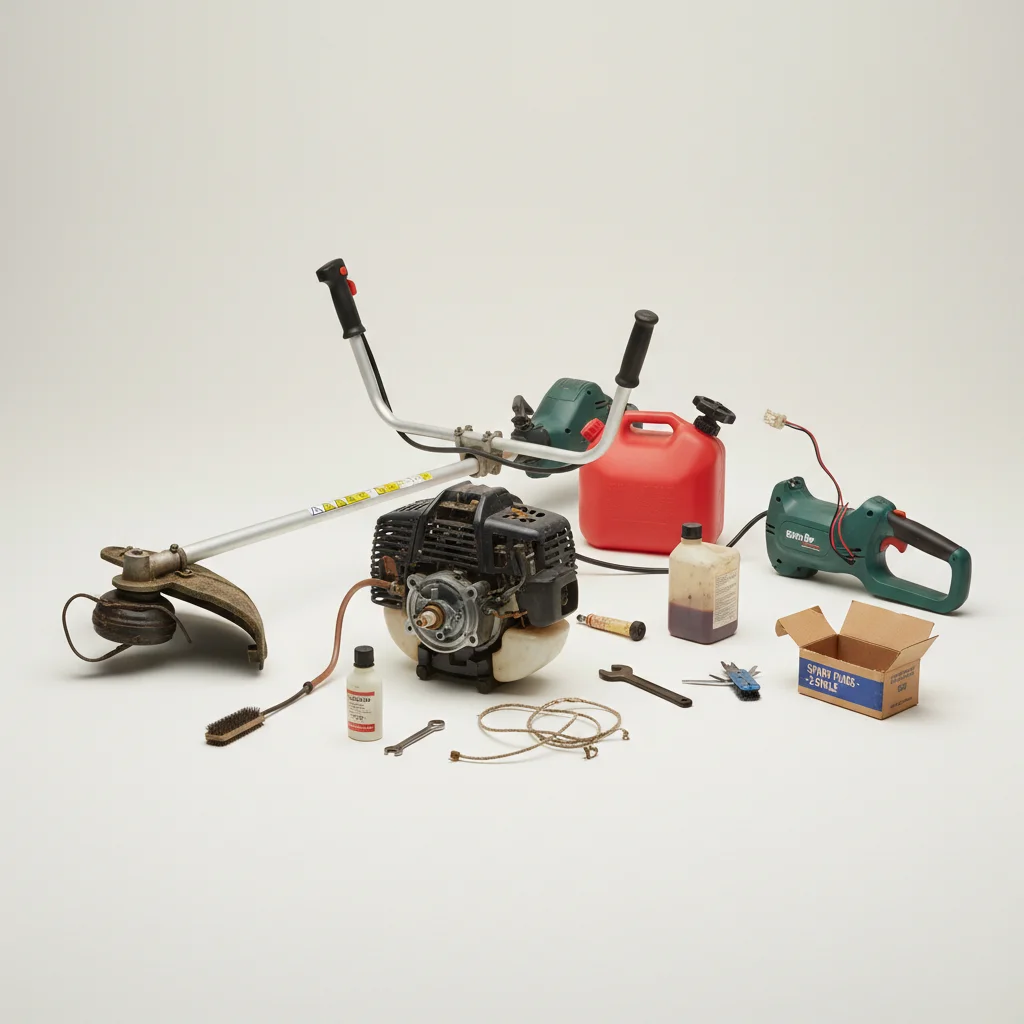
When your string trimmer refuses to start, it can be incredibly frustrating, especially when you’re ready to tackle yard work. There are typically five common reasons why a string trimmer might not fire up, ranging from simple fuel issues to more complex spark plug or carburetor problems. Understanding these common culprits and their straightforward fixes can save you time and money on repairs, getting you back to a pristine lawn quickly.
1. Fuel System Issues: Old Fuel or Clogged Filter
One of the most frequent reasons a string trimmer won’t start is related to its fuel system. Old or stale fuel, especially gasoline left in the tank for more than a month, can degrade and cause starting problems. Ethanol in gasoline can also attract water and separate, leading to a gummy residue that clogs fuel lines and carburetors. Always use fresh fuel, and consider a fuel stabilizer if storing the trimmer for extended periods. Another common issue is a clogged fuel filter, which restricts fuel flow to the engine. The fuel filter is usually located inside the fuel tank, attached to the end of the fuel line. If it’s dirty or discolored, it needs replacement.
2. Spark Plug Problems: Fouled, Worn, or Incorrectly Gapped
The spark plug is crucial for igniting the fuel-air mixture. If your string trimmer isn’t starting, a fouled, worn, or incorrectly gapped spark plug could be the cause. A fouled plug will have carbon buildup or oil residue, preventing a strong spark. A worn plug simply loses its effectiveness over time. To check the spark plug, remove it and inspect its condition. Clean any carbon buildup with a wire brush or replace it if it looks worn or damaged. Ensure the gap is set to the manufacturer’s specifications using a feeler gauge. A properly functioning spark plug is essential for reliable starting.
3. Air Filter Obstruction: Restricted Airflow
|
Our Picks for the Best String Trimmer in 2026
As an Amazon Associate I earn from qualifying purchases.
|
||
| Num | Product | Action |
|---|---|---|
| 1 | BLACK+DECKER String Trimmer, Electric, 14-inch (BESTE620) |

|
| 2 | WORX Cordless String Trimmer & Lawn Edger, 12'' Electric Weed Wacker with 5.5 LBS, 20V Weed Eater with 90° Pivoting Head, Battery & Charger Included, WG170.2 |
|
| 3 | BLACK+DECKER Weed Wacker with Auto Feed, 14-Inch 2 in 1 String Trimmer Lawn Edger, Powerful 6.5-Amp Lightweight Electric Weed Eater (BESTA510) |
|
| 4 | 20V 12" Cordless String Trimmer With 2 X 4.0Ah Battery and Charger, Electric Grass Trimmer Battery Powered Eater String, Edger Lawn Tool Grass Cutter With 8pcs Line, Lawn Mover For Garden Yard, Orange |
|
| 5 | BLACK+DECKER 20V MAX Weed Eater, Edger and Sweeper Combo, Includes 2 Batteries and Charger, Cordless Electric Weed Wacker and 130 Mph Hard Surface Leaf Blower, 10 in. (LCC222) |
|
| 6 | Cordless String Trimmer Compatible with Milwaukee M18 18V Battery(Tool Only), 12-Inch 3-in-1 Weed Eater with 8500RPM Upgraded Motor, Automatic Line Feed Weed Wacker for Lawn Edging and Mowing-Red |
|
| 7 | WORX Cordless String Trimmer & Lawn Edger, 12'' Electric Weed Wacker with 4.6 LBS, 20V Weed Eater with 90° Pivoting Head, Batteries & Charger Not Included, WG170.9 |
|
| 8 | CRAFTSMAN WEEDWACKER® String Trimmer, 6.5 Amp, 14-Inch (CMEST913) |
|
| 9 | Houselife 12" Cordless Weed Eater Compatible with Dewalt 20V Max Battery (No Battery), Auto Feed Cordless String Trimmer&Weed Wacker, Lightweight Electric 20V Weed Trimmer&Edger for Lawn, Garden, Yard |
|
| 10 | Cordless String Trimmer Compatible with Dewalt 20V MAX Battery, 12-Inch Weed Wacker Cordless Auto Line Feed,Electric Weed Eater Battery Powered Grass Trimmer w/6 Line Spools(Tool Only) |
|
Just like the fuel system, the air intake needs to be clear for the engine to run properly. A dirty or clogged air filter can severely restrict airflow, leading to a rich fuel mixture that prevents the engine from starting. Over time, dust, grass clippings, and debris can accumulate in the air filter, making it less effective. Regularly inspect your air filter, typically located in a housing on the side of the engine. If it’s visibly dirty, clean it with compressed air or replace it with a new one. A clean air filter ensures the engine gets the right amount of air for combustion.
4. Carburetor Issues: Clogged or Maladjusted
The carburetor mixes air and fuel in the correct proportions for combustion. If your string trimmer has been sitting for a while, or if old fuel has been used, the carburetor can become clogged with varnish or debris. This prevents fuel from reaching the engine or disrupts the proper air-fuel ratio. While cleaning a carburetor can be a DIY task for some, it often requires specialized tools and knowledge. If you suspect a clogged carburetor, you might try a carburetor cleaner spray first. For more persistent issues, a full carburetor rebuild or replacement might be necessary.
5. Starter Mechanism Failure: Pull Cord or Recoil Assembly
Sometimes, the engine itself is fine, but the starter mechanism is at fault. This could be a broken pull cord, a faulty recoil spring, or a damaged pawl in the recoil assembly. If the pull cord feels loose, doesn’t retract properly, or simply pulls out without engaging the engine, the starter assembly likely needs attention. Inspect the pull cord for fraying or breakage. If the cord is intact but doesn’t engage, the recoil spring or pawls might be the issue. These components can often be replaced individually, or you might need to replace the entire recoil starter assembly. This is generally a straightforward repair that can be done with basic tools.
- Always use fresh, high-quality fuel with the correct oil mix for 2-stroke engines.
- Regularly clean or replace the air filter to ensure proper airflow.
- Inspect and clean or replace the spark plug at least once a season.
- Store your string trimmer with a full tank of stabilized fuel or completely drained.
- Check the fuel lines and filter for clogs or damage periodically.
By systematically checking these five common areas, you can often diagnose and fix why your string trimmer won’t start. Regular maintenance is key to preventing these issues and ensuring your trimmer is always ready for action. If you’ve gone through these steps and your trimmer still won’t start, it might be time to consult a professional or consider a new unit.
Get our weekly buyer guide
Practical specs, not advice. Unsubscribe anytime.
