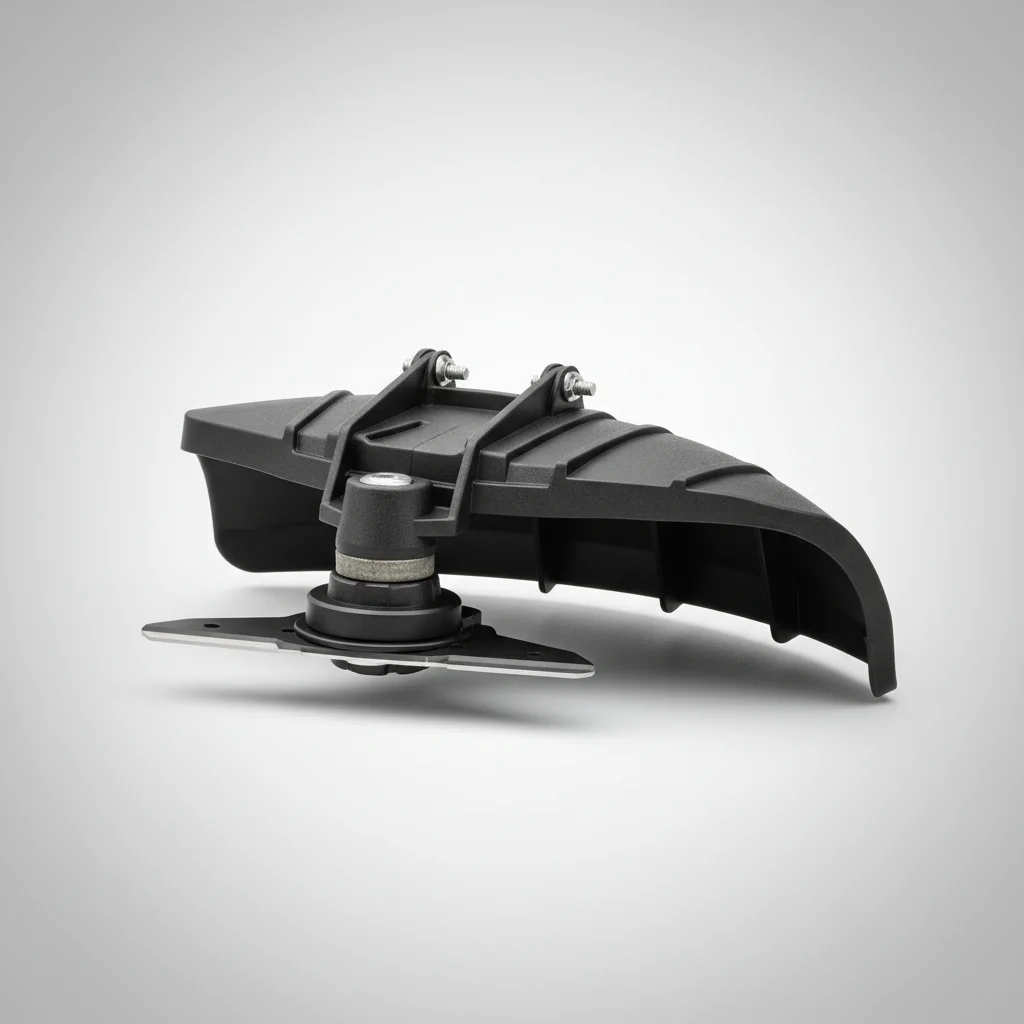
A string trimmer guard is an essential safety component that protects users from flying debris, ensuring a safer trimming experience. While often overlooked, this shield is critical for preventing injuries from rocks, sticks, and other projectiles that can be kicked up during operation. Understanding its importance and proper use can significantly reduce the risk of accidents.
The Primary Function of a String Trimmer Guard
The main purpose of a string trimmer guard is to act as a barrier between the rotating trimmer line and the operator. As the line spins at high speeds, it can propel small objects with considerable force. Without a guard, these projectiles could strike the user, causing cuts, bruises, or even more serious injuries to the eyes or face. It also helps to contain some of the grass clippings, keeping them from scattering too widely. For expert gas reviews on this site.
Beyond personal safety, the guard also offers a degree of protection to the trimmer itself. It can prevent the line from hitting hard surfaces directly, which might cause premature wear or damage to the trimmer head. This dual protection makes it an indispensable part of any string trimmer.
Types of String Trimmer Guards Available
There are generally two main types of string trimmer guards: fixed guards and adjustable guards. Fixed guards are permanently attached and offer a consistent level of protection, often found on entry-level or standard models. Adjustable guards, on the other hand, can be moved or repositioned to suit different trimming angles or user preferences, providing more versatility. Some commercial-grade trimmers may feature larger, more robust guards designed for heavy-duty use and increased debris deflection.
- Standard fixed guards for basic protection.
- Adjustable guards for varied trimming angles.
- Larger, heavy-duty guards for commercial applications.
- Integrated line cutters to maintain optimal line length.
- Specialized guards for brush cutting attachments.
Ensuring Proper Installation and Maintenance
|
Our Picks for the Best String Trimmer in 2026
As an Amazon Associate I earn from qualifying purchases.
|
||
| Num | Product | Action |
|---|---|---|
| 1 | WORX Cordless String Trimmer & Lawn Edger, 12'' Electric Weed Wacker with 5.5 LBS, 20V Weed Eater with 90° Pivoting Head, Battery & Charger Included, WG170.2 |

|
| 2 | Cordless String Trimmer Compatible with Dewalt 20V MAX Battery, 12-Inch Weed Wacker Cordless Auto Line Feed,Electric Weed Eater Battery Powered Grass Trimmer w/6 Line Spools(Tool Only) |
|
| 3 | Houselife 12" Cordless Weed Eater Compatible with Dewalt 20V Max Battery (No Battery), Auto Feed Cordless String Trimmer&Weed Wacker, Lightweight Electric 20V Weed Trimmer&Edger for Lawn, Garden, Yard |
|
| 4 | 20V 12" Cordless String Trimmer With 2 X 4.0Ah Battery and Charger, Electric Grass Trimmer Battery Powered Eater String, Edger Lawn Tool Grass Cutter With 8pcs Line, Lawn Mover For Garden Yard, Orange |
|
| 5 | Cordless String Trimmer Compatible with Milwaukee M18 18V Battery(Tool Only), 12-Inch 3-in-1 Weed Eater with 8500RPM Upgraded Motor, Automatic Line Feed Weed Wacker for Lawn Edging and Mowing-Red |
|
| 6 | WORX Cordless String Trimmer & Lawn Edger, 12'' Electric Weed Wacker with 4.6 LBS, 20V Weed Eater with 90° Pivoting Head, Batteries & Charger Not Included, WG170.9 |
|
| 7 | CRAFTSMAN WEEDWACKER® String Trimmer, 6.5 Amp, 14-Inch (CMEST913) |
|
| 8 | BLACK+DECKER Weed Wacker with Auto Feed, 14-Inch 2 in 1 String Trimmer Lawn Edger, Powerful 6.5-Amp Lightweight Electric Weed Eater (BESTA510) |
|
| 9 | BLACK+DECKER 20V MAX Weed Eater, Edger and Sweeper Combo, Includes 2 Batteries and Charger, Cordless Electric Weed Wacker and 130 Mph Hard Surface Leaf Blower, 10 in. (LCC222) |
|
| 10 | BLACK+DECKER String Trimmer, Electric, 14-inch (BESTE620) |
|
Proper installation of your string trimmer guard is crucial for its effectiveness. Always refer to your trimmer’s owner’s manual for specific instructions. Typically, guards attach to the shaft near the trimmer head with bolts or clamps. Ensure all fasteners are tightened securely before operation. A loose guard can vibrate, become ineffective, or even detach during use, posing a hazard.
Regular maintenance involves checking the guard for cracks, damage, or excessive wear. Over time, impacts from debris can weaken the plastic or metal. If you notice any significant damage, the guard should be replaced immediately. Keeping it clean from grass and dirt also helps maintain visibility and prevents buildup that could affect its integrity.
The Dangers of Operating Without a Guard
Operating a string trimmer without its guard is extremely dangerous and strongly discouraged. The risks include severe eye injuries from flying debris, cuts and abrasions to the legs and body, and even damage to nearby property or bystanders. Many manufacturers explicitly state that operating without a guard voids the warranty and can lead to serious accidents. Always prioritize safety over convenience.
Even if you are only trimming light grass, the potential for an unexpected rock or piece of wood to be propelled at high speed is always present. Investing in a replacement guard if yours is damaged or missing is a small price to pay for your safety and peace of mind.
Choosing the Right Replacement Guard
If your string trimmer guard becomes damaged, it’s important to choose the correct replacement. Always try to find an OEM (Original Equipment Manufacturer) part specific to your trimmer model. This ensures a perfect fit and proper functionality. If an OEM part isn’t available, look for high-quality aftermarket guards that are explicitly stated to be compatible with your trimmer’s make and model. Check reviews and product specifications carefully to ensure it meets safety standards.
Consider the material of the replacement guard. Most are made from durable plastics, but some heavy-duty options might incorporate metal reinforcements. Ensure the new guard includes the line cutter, a small blade designed to trim the string line to the optimal length, which is often integrated into the guard’s design.
Get our weekly buyer guide
Practical specs, not advice. Unsubscribe anytime.
